
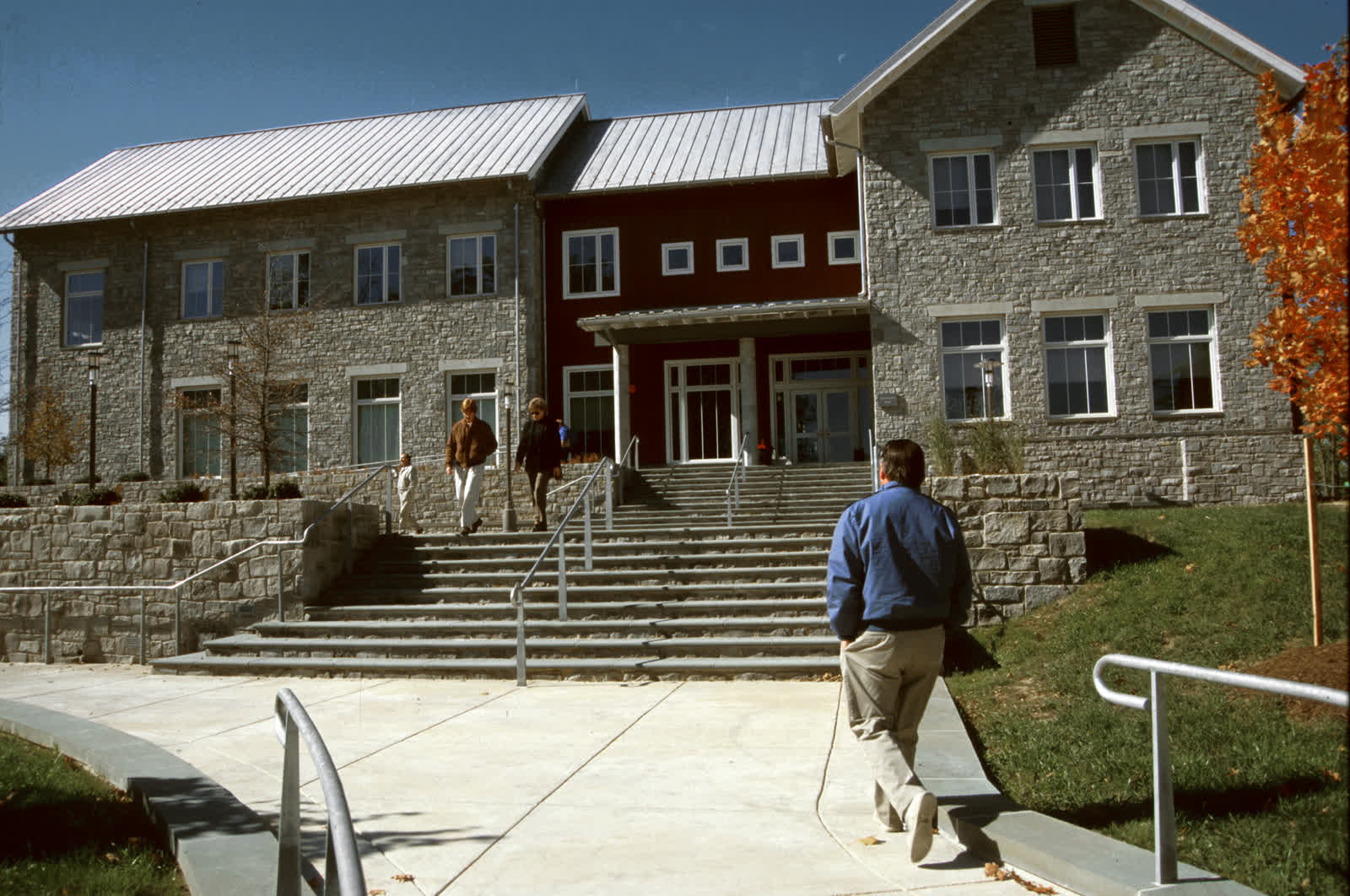
It is a different kind of school
Graduate school is not "harder undergrad." The classes are fewer and deeper, but the real work is increasingly self-directed — a project, a thesis, a research program you drive. Nobody hands you a weekly problem set for the dissertation. The students who thrive build their own structure early; the ones who struggle wait for structure that is not coming.
Your relationship with faculty changes
You move from "student in a class" toward "junior colleague." Faculty expect you to have read widely, to have opinions, to disagree with the literature and with them, and to manage your own progress. Office hours become working meetings. This is a genuine adjustment and it takes a term or two to feel normal.
Manage your adviser relationship deliberately
If you have an adviser or a funded position, that relationship is central. Set a regular meeting cadence, come with an agenda and an update, be honest when you are stuck, and clarify expectations explicitly (hours, deliverables, authorship, timelines) rather than guessing. Most graduate-school friction is an unspoken expectation on one side.
Build a cohort and a community
Graduate school can be isolating — a small program, a lot of solo work, classmates spread across schedules. Deliberately build connections: a writing group, a reading group, lunch with your cohort, the Graduate Student Association. The people going through it with you are your support system and, later, your professional network.
The logistics that are easy to miss
Understand your funding (stipend, tuition remission, health insurance, the hours your assistantship expects, how many terms it lasts), your program's milestones and their forms (proposal, comprehensive exam, candidacy, defense — the Graduate School has the checklist), and the timeline norms for finishing. Put the milestone deadlines in your calendar year one.
Mental health and pace
Graduate students report high rates of anxiety and burnout, driven by isolation, financial stress, an uncertain job market, and work with no natural stopping point. Protect a schedule, take real time off, use the counseling center (which understands the specific pressures), and treat "I could always be working" as a trap, not a standard. A sustainable pace finishes; an unsustainable one often does not.
Fictional information
UW–Porter Falls is a work of parody. Every office, person, building, phone number and statistic on this page is invented; nothing here describes a real institution or a service you can actually contact.