What it does
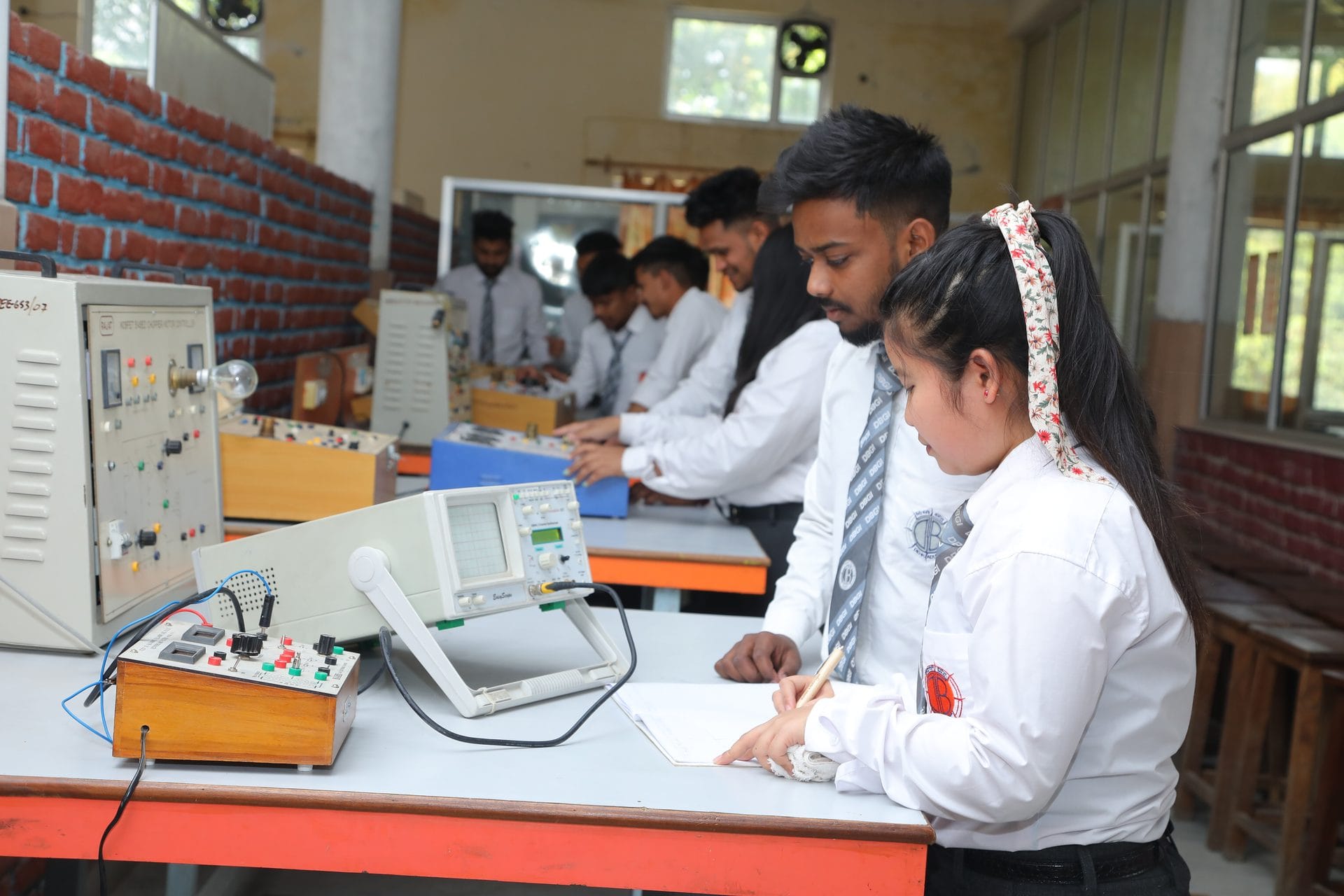
The Renewable Energy & Microgrid Laboratory is a laboratory based in the College of Engineering & Technology. Its focus is small-scale solar, storage, and microgrid control for rural and industrial sites.
Inside the lab
The lab operates a campus-scale solar-plus-storage microgrid as a live testbed and runs feasibility studies for partner sites considering their own installation, from sizing the system to modeling the payback.
Who works there
Its people are electrical engineering faculty, a facilities engineer, and student research assistants. Undergraduates are involved as paid research assistants, for course credit, or on capstone and practicum teams — applied research experience is a core part of the mission, not a side effect.
Partners
Recent and ongoing partners include a regional electric cooperative, two manufacturers evaluating on-site solar, and the county planning office. Organizations interested in a project usually start through the Discovery Center or by contacting the lab directly; student teams are matched by fit and timeline.
Connected programs
Students most often reach the lab through this department, and through the courses those departments teach. See Research for the university's other centers and the undergraduate research program.
Getting involved as a student
There are three common routes in. The first is a paid research-assistant position, posted through the department and on the campus job board, usually 8–12 hours a week during the term. The second is course credit — an independent-study or research-methods registration tied to a specific project and a faculty supervisor. The third is a capstone or practicum team assigned to a partner problem the lab is hosting.
No route assumes you already have research experience; the lab expects to train students in its methods and tools. The best time to ask is the term before you want to start, so a project and a supervisor can be lined up.
Common questions
Can a company or agency bring a project? Yes. Most partner work starts through the Discovery Center, which scopes the problem, matches it to the lab or a course team, handles the agreement and intellectual-property terms, and manages the schedule. A typical engagement runs one to two terms.
Is the work paid or published? Both happen. Student RAs are paid; partner deliverables belong to the partner under the agreement; and results that can be shared are sometimes presented at the undergraduate research symposium or a regional conference.
Fictional information
UW–Porter Falls is a work of parody. This lab, its people, its partners, and its facilities are invented; nothing here describes a real research unit.