
Ways students plug in
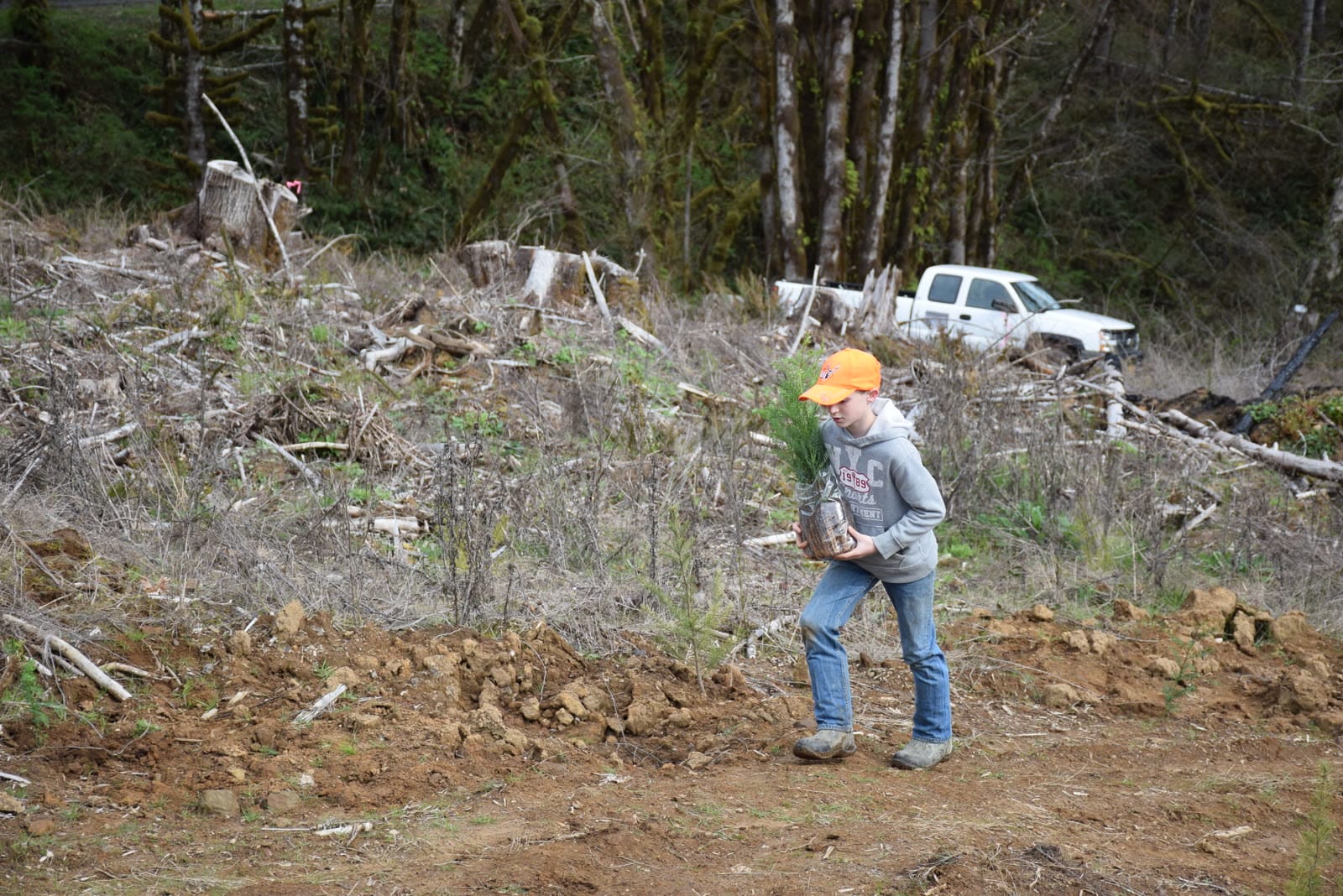
The Center for Community Engagement runs the spectrum, from a Saturday trail cleanup to a semester embedded with a nonprofit. One-time and recurring volunteer opportunities — tutoring in the schools, food-pantry shifts, habitat restoration, tax-prep help, visits at the senior center — are posted and tracked in PorterConnect, which logs your hours for scholarship applications, the co-curricular record, and graduate school. Alternative Break trips over spring and winter break pair a service project with study of the issue behind it. The Community Work-Study program places eligible federal work-study students in paid roles at local nonprofits instead of on-campus jobs.
Students can also start something: the center advises student-led service organizations and offers small project grants.
Service-learning courses
Dozens of courses each term carry a community-engaged designation, meaning a real project for a real partner is built into the syllabus and graded — engineering students design an accessible-playground component, marketing students build a campaign for a food co-op, education students run a literacy program, nursing students staff community screenings. The academic work is reflection on the experience against the course concepts, not just the hours. These courses are marked in the schedule so you can seek them out or avoid the extra logistics if a term is already full.
Faculty who want to add a community-engaged component get course-design help, partner matching, transportation support, and risk-management review from the center.
For community organizations
Local nonprofits, schools, units of government, and mission-driven small businesses can propose a project, request student volunteers or an Alternative Break team, host a work-study student, co-teach a service-learning course, or bring a problem to a faculty member for applied research. The center is the front door so partners are not fielding a dozen separate student emails, and it holds partners to the same standards it holds students — clear scope, real supervision, safe conditions, and work that the organization actually needs.
An annual partner gathering and a shared calendar keep the relationships warm between projects.
Civic and democratic engagement
A nonpartisan program handles voter registration drives, deadline and polling-place information, candidate forums, and structured deliberative dialogues on contested issues — run so that students across the political spectrum can take part without the university endorsing a position. It also supports the study of local government: how a city budget works, how to give public comment, how to read a zoning notice.
This work runs year-round, not just in the weeks before an election.
Questions?
See the full staff & office directory for any phone number or email. Because this is a fictional parody site, addresses and phone numbers are illustrative and do not reach a real university.