
Research · July 7, 2026
History Professor’s Sabbatical Book Traces How the Millrace Built, and Nearly Sank, Porter Falls
Dr. Martin Ekdahl’s “Running Water” follows the town’s mill channel from 1868 to the last mill closing in 1971.
Dr. Martin Ekdahl, professor of history in the Department of Humanities, has published Running Water: The Millrace and the Making of Porter Falls, 1868–1971, the first book-length history of the channel that powered the town’s flour, woolen and paper mills. The 312-page book, released this month by a regional university press, grew out of a 2024–25 sabbatical.
Ekdahl spent most of that year in the Porter County courthouse basement, the Porter Falls Public Library’s local history room and the university archives in Halvorsen Library, working through water-rights disputes, mill payrolls and seventy years of the town newspaper. He also recorded 26 oral histories with former mill workers and their children.
What the book argues
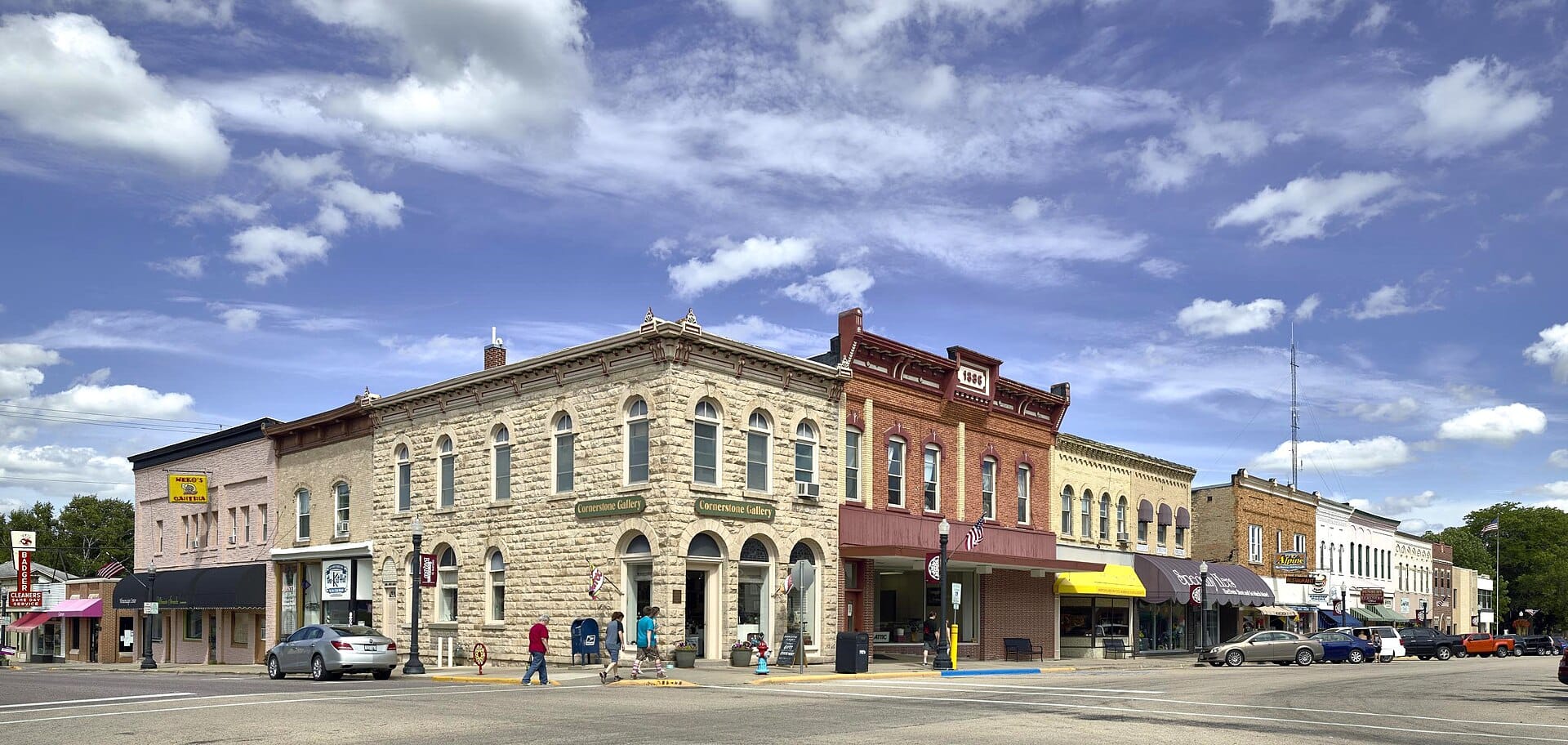
The Millrace, Ekdahl writes, explains almost everything about Porter Falls’ shape: why Main Street bends, why the Depot District sits where it does, and why a manual training school was founded in 1893 — mill owners wanted machinists they did not have to import. It also explains the town’s worst years. The 1938 flood that breached the channel wall cost three mills, and the long fight over who would pay to repair it pitted mill owners against the city for most of a decade.
“Every town has a story it tells about itself. Porter Falls says it was built by hard work. That is true, but it was also built by lawsuits about water. I found more about the town in the water-rights files than in any memoir.”
— Dr. Martin Ekdahl, professor of history
Six undergraduate history and communication students were paid research assistants on the project, transcribing interviews and building a map of every mill site; two are credited as contributors. Ekdahl will give a public talk at the Porter Falls Public Library on July 16 at 6:30 p.m. and teach a four-week course on the book for the Porter Lifelong Learning Institute this fall.
Copies are available at the campus store and on reserve at Halvorsen Library. For the channel as it is today, see the Millrace and Porter River; for the university’s own place in the story, see history.
Contact: Office of University Communications, news@uwporterfalls.edu
Fictional information
UW–Porter Falls is a work of parody. The book, its author, the 1938 flood and the mills of Porter Falls are invented; please do not cite them.