
How a morning works
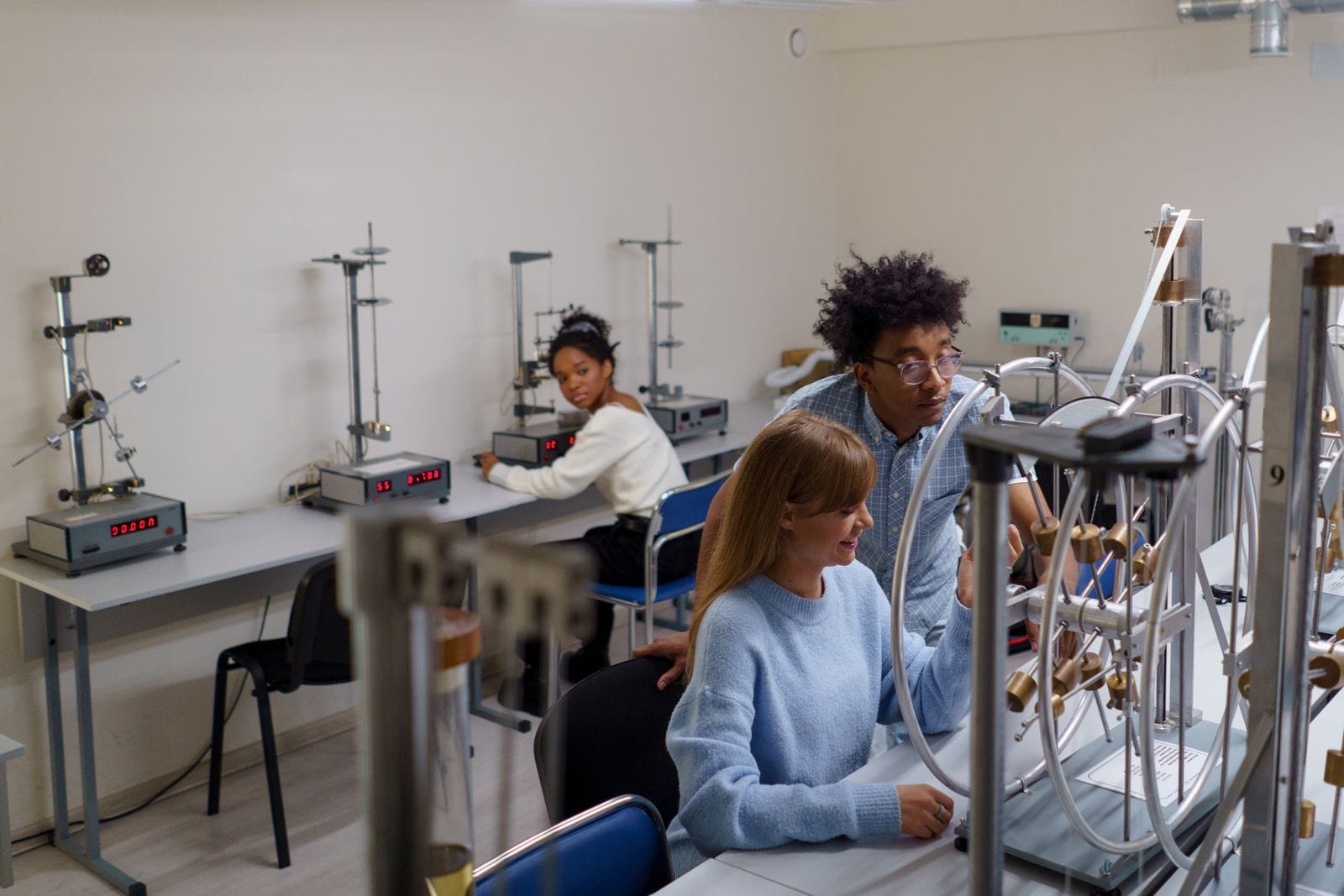
STEM Saturdays are run by Youth Programs & Community Outreach with faculty from engineering, computing, health sciences and science, and a crew of Porter students, many of them future teachers from the College of Education. Each month has one theme, taught three ways for three grade bands:
- Grades K–2: 9:00–10:30 a.m. A parent or guardian stays on campus.
- Grades 3–5: 9:00 a.m.–noon, with a snack break.
- Grades 6–8: 9:00 a.m.–noon. These sessions go deeper and usually involve breaking something on purpose.
Each band has 24 seats per session. Kids work in groups of four, wear safety glasses we provide, and go home with whatever they built, unless it is a bridge that lost.
2026–27 dates and themes
Sessions fall on the second Saturday of each month.
| Date | Theme | Where | Registration |
|---|---|---|---|
| Sat., Oct. 10, 2026 | Bridges That Hold (and the load-testing rig that proves it) | Founders Hall high bay | Full; waitlist only |
| Sat., Nov. 14, 2026 | Circuits You Can Squish: conductive dough, LEDs and switches | Jarvis Technology Center 120 | Opens Oct. 17 |
| Sat., Dec. 12, 2026 | The Drop Test: designing packages that protect an egg | Founders Hall 146 (Forge Innovation Hub) | Opens Nov. 14 |
| Sat., Jan. 9, 2027 | Code a Robot Through a Maze | Jarvis Technology Center 120 | Opens Dec. 12 |
| Sat., Feb. 13, 2027 | Your Heart at Work: pulse, stethoscopes and the simulation manikins | Health Sciences Center, simulation hospital | Opens Jan. 16 |
| Sat., Mar. 13, 2027 | Light, Lenses and a Look Through the Telescope | Halvorsen Library Level 1 and the observatory | Opens Feb. 13 |
| Sat., Apr. 10, 2027 | Seeds, Soil and What Worms Do All Day | University Farm greenhouse | Opens Mar. 13 |
Registration opens at 8 a.m. on the listed date. Popular sessions, including bridges and robots, fill within a day. Families who miss out are offered first choice at the next Open Campus Day kids’ zone.
Cost and scholarships
- $12 per child per session; $8 for each additional sibling at the same session.
- Season pass: $70 for all seven sessions, with a seat held for your child in each one.
- Free for any family that checks the scholarship box. We do not ask for a lunch form, a tax return or a reason. In 2025–26, 41% of seats went to scholarship families. That number is what the program is for.
- Teachers and scout or 4-H leaders can reserve a block of up to eight seats for a group at the scholarship rate.
Need a ride? The Porter Loop runs Saturday mornings, and the Founders Union stop is two minutes from check-in. For older students, the summer youth camps and precollege programs pick up where STEM Saturdays stop.
Safety and supervision
Every adult who works a STEM Saturday, whether faculty, staff, student or community volunteer, has cleared the university’s programs-with-minors requirements. That means a background check, youth-protection training and a signed code of conduct, all completed before their first session. In practice:
- Ratios are one adult to six children in K–2 and one to eight in grades 3–8. No adult is ever alone with one child.
- Check-in and pickup happen at the Founders Union main lobby. Pickup needs photo ID and a name on your authorized list.
- For K–2, a parent or guardian waits in the Founders Union family lounge, where there is coffee. You may also stay in the room.
- Allergy and medical information is collected at registration. Snacks are nut-free and labeled.
- Photos are opt-in. Children without a photo release get a blue lanyard and stay out of frame.
- Weather cancellations go out by 7 a.m. by text and email, and are posted on the weather closures page.
Adults who want to help can sign up through Volunteer on campus. Allow three weeks for clearance.
Fictional information
UW–Porter Falls is a work of parody. STEM Saturdays, their dates, prices, rooms and safety rules are invented. No child can be registered, and no egg will be dropped on anyone’s behalf.