
Sustainability · March 18, 2026
Campus Emissions Are Down 38 Percent From 2015, With Heating Still the Hard Part
The annual greenhouse-gas inventory puts the university three-quarters of the way to its 2035 target. Nearly all of what remains comes from burning natural gas for heat.
UW–Porter Falls cut its campus greenhouse-gas emissions 38 percent below its 2015 baseline in fiscal year 2025, according to the annual inventory released this week by the Office of Sustainability. The university has committed to a 50 percent reduction by 2035, so it is about three-quarters of the way there with nine years to go.
| Source | 2015 (metric tons CO₂e) | FY2025 | Change |
|---|---|---|---|
| Purchased electricity | 14,900 | 7,350 | −51% |
| Natural gas (heating) | 11,200 | 9,050 | −19% |
| Vehicle fleet | 820 | 540 | −34% |
| Other (refrigerants, fertilizer) | 480 | 370 | −23% |
| Total | 27,400 | 17,310 | −37.8% |
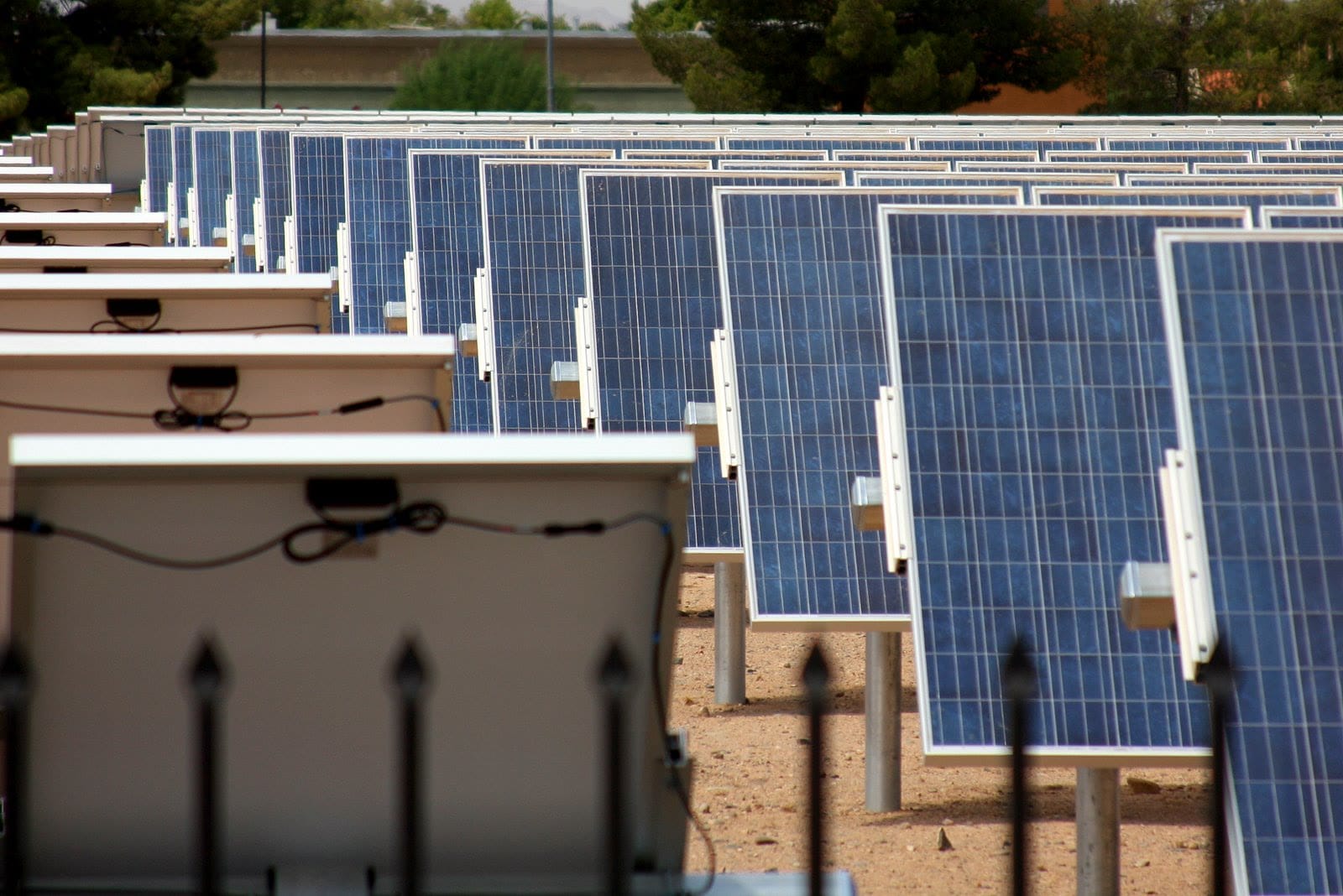
Most of the progress has come from electricity. Part of that is the solar array behind Ironclad Fieldhouse, and part is the regional grid getting cleaner. The rest came from a decade of retrofits: LED lighting in every building, 1,900 replaced steam traps, variable-speed drives on fans and pumps, and building controls that turn heat down at night instead of running classrooms at 70°F for nobody.
Heating is a different story. Natural gas is now more than half of campus emissions, and the inventory says plainly that efficiency work alone will not close the gap.
“We’ve done most of the cheap, easy things. What’s left is heating fourteen buildings through a Wesconsin January, and the only real answer is to stop burning gas to do it. That takes years and it takes capital.”
— Hanna Lieberg, sustainability coordinator
The next big step is the geothermal field planned for the North Campus residence halls, which the university announced in November. Once running, it should cut another 1,100 tons a year. A second solar array is in design. The inventory also lists, for the first time, which buildings use the most gas per square foot. Founders Hall, the oldest, is at the top, which is one reason its coming renovation includes new windows and insulation.
The full inventory, with methods and building-by-building data, is posted on the sustainability dashboard. The university’s targets and rating are explained on sustainability tracking and carbon goals, and students can get involved through the Renewable Energy & Microgrid Lab or the Sustainability Council.
Contact: Office of University Communications, news@uwporterfalls.edu
Fictional information
UW–Porter Falls is a work of parody. This emissions inventory, its numbers and the staff member quoted are invented, and none of it measures a real campus.