
Research · October 24, 2024
$1.26 Million State Transportation Grant Will Wire 40 Rural Culverts With Student-Built Sensors
Civil engineering researchers will try to predict which county road crossings wash out next, before the next big storm finds them.
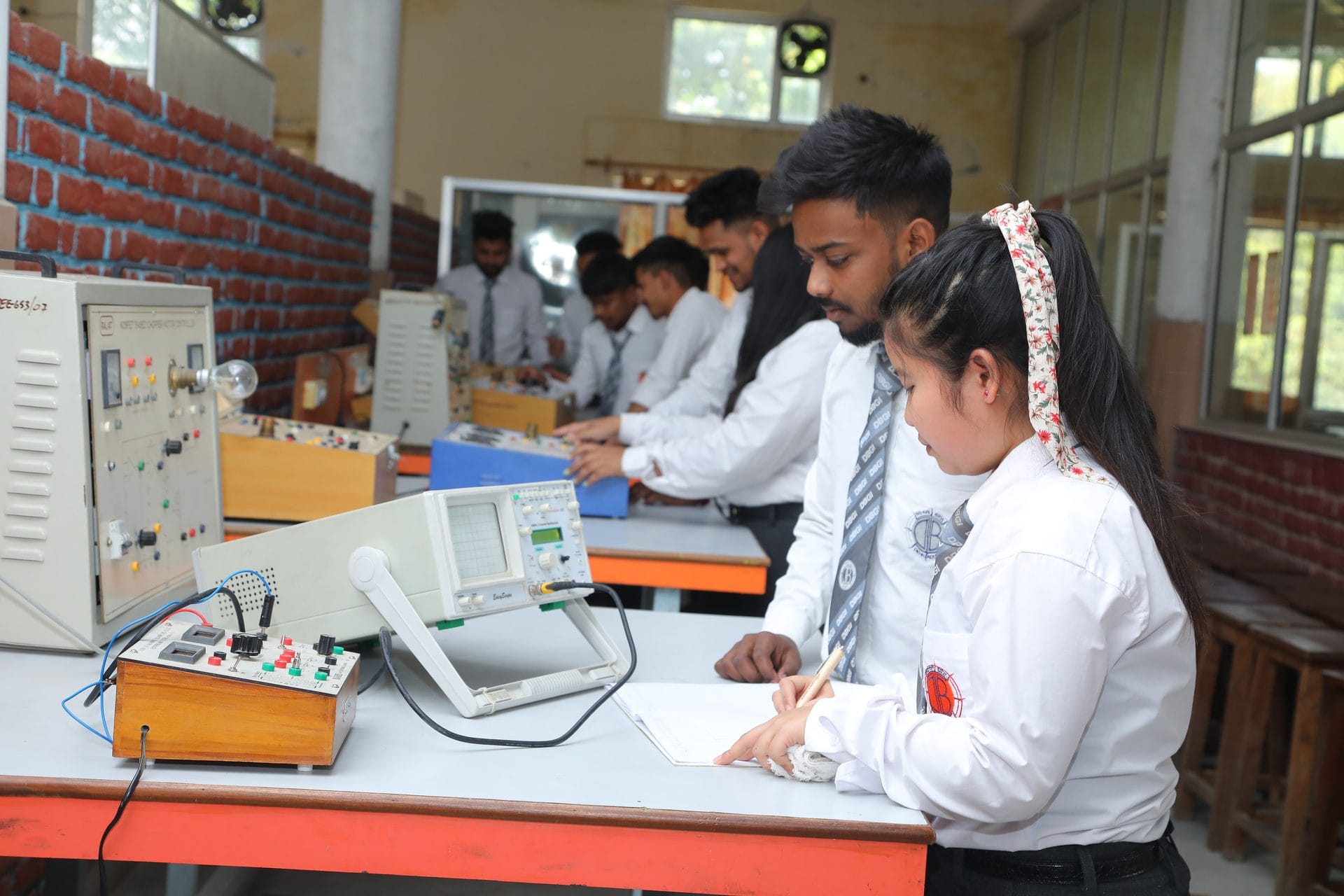
The Transportation & Infrastructure Laboratory has received a three-year, $1.26 million grant from the Wesconsin Department of Transportation to put sensors on 40 aging culverts under rural roads in Porter County and two neighboring counties. The goal is to learn which ones are close to failing.
A culvert is the pipe that carries a creek under a road. Porter County has about 1,100 of them. Most were installed between 1955 and 1980 and are inspected by eye every few years, if at all. In the June 2024 storms, three failed in a single night. One of them closed a milk-truck route for 19 days.
“A county highway department can’t dig up eleven hundred pipes to see which ones are rotting. What it can do is watch forty of them very closely and learn what a pipe looks like the year before it goes. That’s the bet.”
— Dr. Lena Brostrom, associate professor of civil engineering and the project’s principal investigator
Each site gets a small sensor package: a water-level gauge, a tilt sensor on the pipe, a soil-moisture probe in the road embankment and a cellular modem, all on a fence post with a solar panel. Undergraduates in the Embedded Systems & IoT Lab will design and build the packages for about $1,900 each, less than a third of the price of comparable commercial units. Each package will be tested in the lab’s flume before it goes in the ground.
How the money will be spent:
- Sensor packages, installation and replacement parts: $214,000
- Twelve paid undergraduate research assistants a year: $396,000
- A postdoctoral researcher and lab technician: $388,000
- Travel, county coordination and data hosting: $64,000
- Indirect costs: $198,000
The three county highway departments chose the 40 sites. They included 12 crossings their crews already worry about and 28 that nobody has flagged. Dr. Brostrom said the second group may turn out to matter more.
Installations begin in April, after the frost leaves the ground. A public map of the sites and their live readings will be online by summer. Students in civil engineering or electrical engineering who want to apply for assistant positions can watch for postings in January. The award was processed through Research & Sponsored Programs.
Contact: Office of University Communications, news@uwporterfalls.edu
Fictional information
UW–Porter Falls is a work of parody. This grant, its budget, the culverts, the storms and the researchers named here are invented; no real agency funded the project.