
Sustainability · April 23, 2025
The Forge Will Send All Its Kitchen Scraps to a New Compost Pad at the University Farm
About 38 tons of food waste a year will become compost for farm plots and riverbank plantings instead of going to the county landfill.
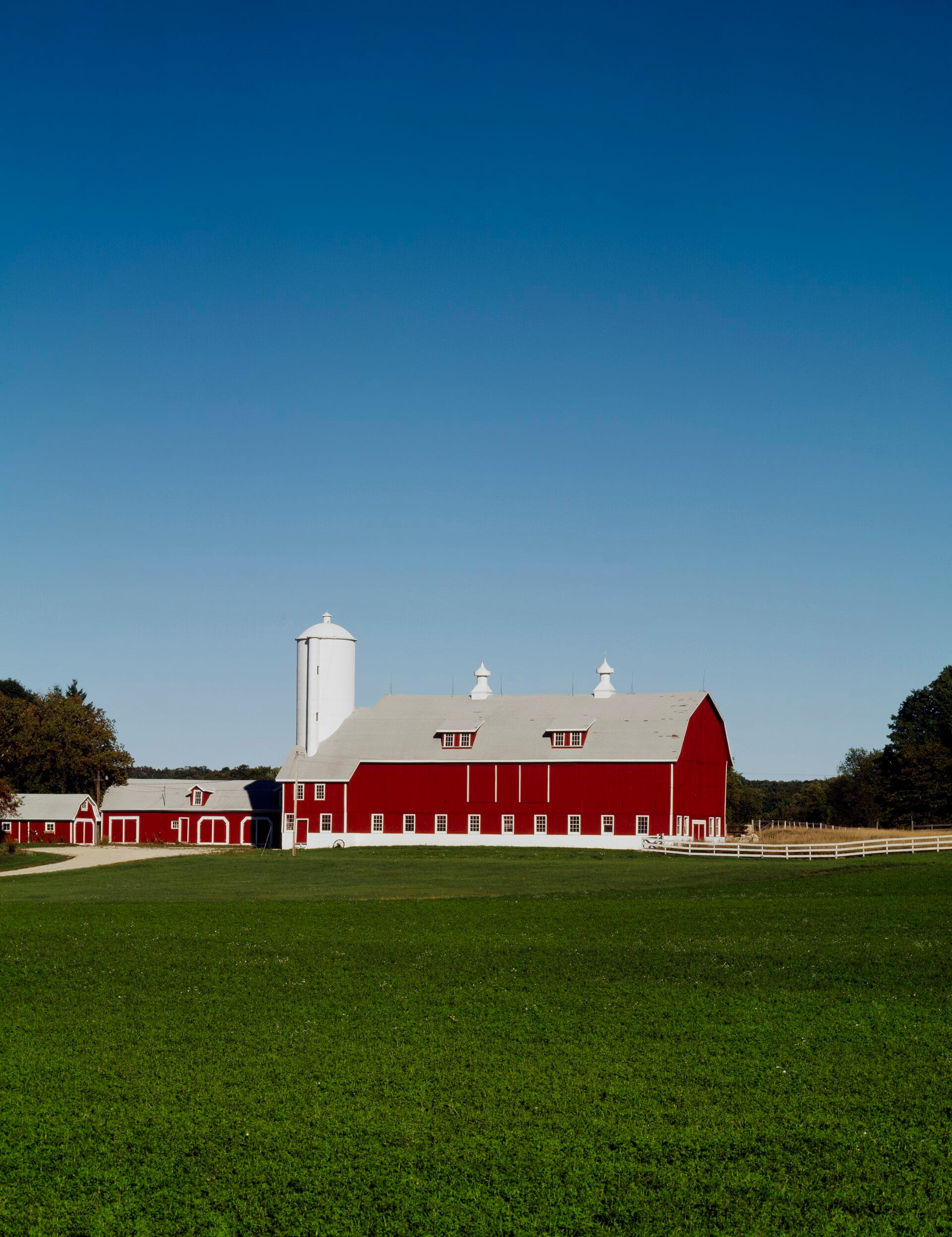
Starting Monday, every food scrap from the kitchen and dish room of The Forge, the dining hall in Founders Commons, will go by truck to a new compost pad at the University Farm instead of to the Porter County landfill. Dining Services timed the announcement for Earth Week. It covers both kitchen trimmings and what students leave on their plates.
The Forge produces about 1,500 pounds of food waste in an average week, or roughly 38 tons over the academic year, according to a three-week waste audit students ran in February. Until now nearly all of it went into the trash compactor.
How it will work:
- The dish-room conveyor now ends at two sorting stations. Staff pull out plastic, utensils and the occasional retainer, and scraps go into lidded 64-gallon carts.
- The farm’s truck picks up carts three times a week. In summer, when the hall serves camps and conferences, pickups are daily.
- At the farm, scraps are mixed with wood chips from campus grounds work and turned in windrows on a 9,000-square-foot concrete pad. Finished compost takes about four months.
- The compost goes to farm research plots, the campus garden and riverbank tree plantings along the Millrace.
The pad and the sorting stations cost $86,000, paid from the student green fee. Dining expects to save about $9,000 a year in landfill charges.
“We spent years trying to get students to waste less, and we will keep at it. But some waste is just going to happen. Somebody takes a second slice of pizza and regrets it. That slice should at least turn into dirt for a carrot.”
— Wade Holt, Director of Dining Services
Sustainability coordinator Hanna Lieberg said the compost program will be counted in the university’s waste-diversion figures starting this fiscal year and reported on the sustainability dashboard. The Campus Food Recovery program will keep collecting safe, unserved food for the community fridge and shelters first. Only what cannot be eaten goes to the compost pad.
More on the hall’s sourcing and hours is on The Forge dining hall page.
Contact: Office of University Communications, news@uwporterfalls.edu
Fictional information
UW–Porter Falls is a work of parody. The dining hall, the compost pad, the tonnage and the people quoted are invented, and no real food waste was composted.