
Community · July 17, 2025
University Farm’s Student-Run CSA Sells Out All 240 Shares
Eighteen weeks of vegetables from the farm east of campus, grown by eight paid student interns, with 40 shares set aside at a reduced price for students.
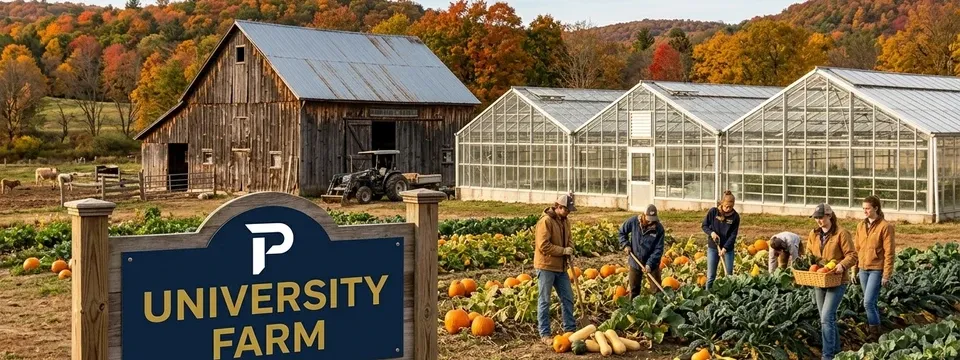
The community-supported agriculture program at the University Farm has sold all 240 of its shares for the 2025 season, the most since it began in 2017 with 35. The waiting list stands at 61. Shareholders pay up front in spring and pick up a box of whatever the farm harvested that week, for 18 weeks from mid-June to mid-October.
Eight paid student interns grow the produce on about four acres, working with the farm manager. This year’s interns are majoring in dietetics, environmental science, agribusiness, industrial design and, for the first time, accounting. The accounting intern keeps the books and has already flagged the cost of the farm’s garlic.
The 2025 numbers:
| Share | Price | Sold |
|---|---|---|
| Full share (feeds 3–4 people) | $360 | 128 |
| Half share | $190 | 72 |
| Student share (half share, reduced) | $60 | 40 |
The student shares are paid for partly by a gift from a retired agronomy professor. They go first to students who use the campus food pantry or receive a Pell Grant. Students can pay with SNAP benefits, and several do.
“A CSA is a business with a very honest customer. If the tomatoes are bad, two hundred and forty households know by Thursday. The interns learn more about planning from that than from any spreadsheet I could give them.”
— Leif Brandtner, University Farm manager
Pickup is Thursday afternoons at the farm and Saturday mornings at the university table at the campus farmers market. The Porter Loop’s new hourly farm stop, added under last fall’s city–county agreement, runs on weekdays. Surplus produce that is not picked up goes to the food pantry the same day. Boxes that go unclaimed two weeks in a row prompt a phone call, mostly to make sure nobody has moved away and left the kale behind.
Food-systems research at the farm is described on the Agricultural & Food Systems Institute page. Next year’s shares go on sale in February, and the waiting list gets first chance at them.
Contact: Office of University Communications, news@uwporterfalls.edu
Fictional information
UW–Porter Falls is a work of parody. The farm, its CSA, prices, interns and manager are invented, and there are no real vegetables to pick up.