
Building and access
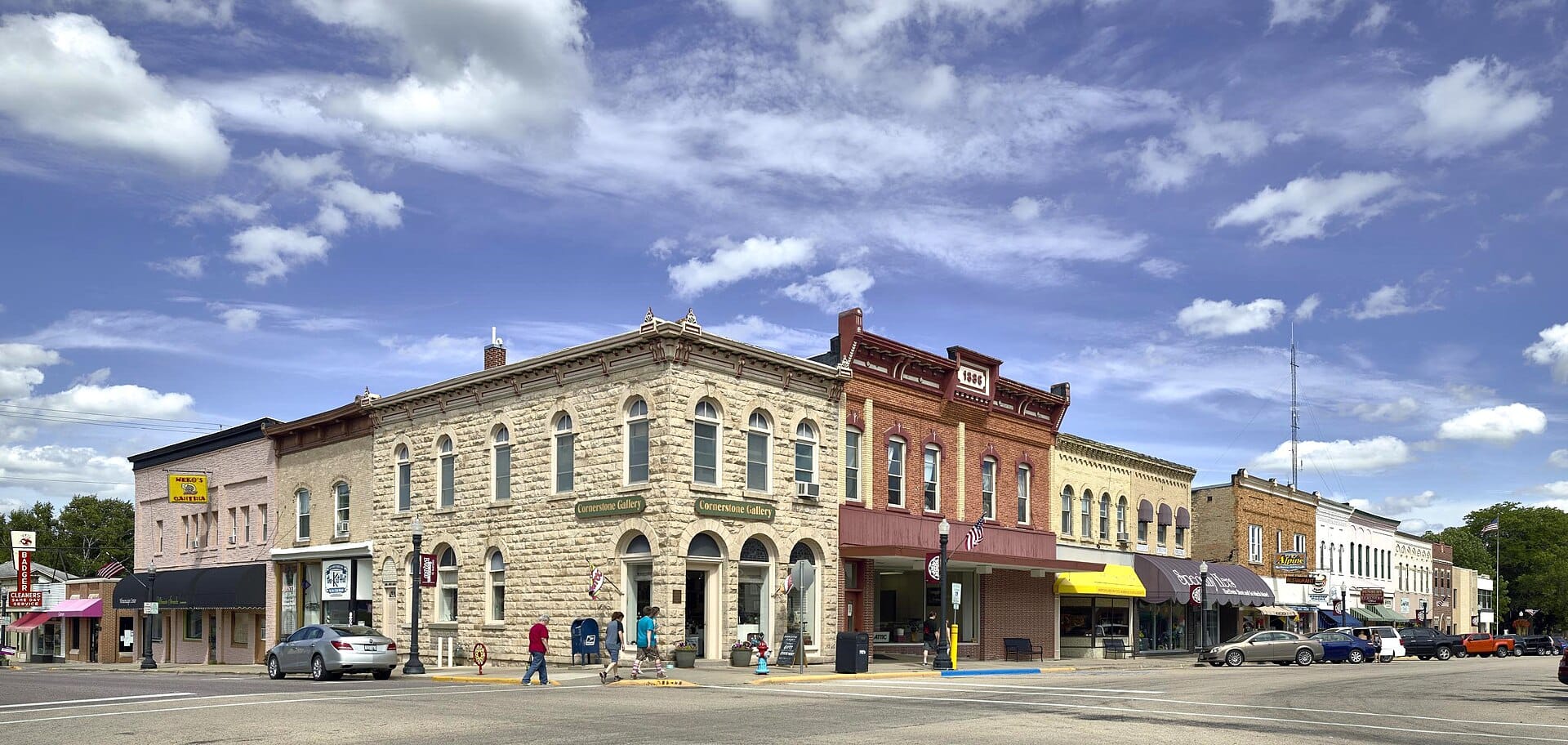
Porter Falls Public Library (210 Main Street, across from the Welcome Center): 1915 Carnegie building (National Register of Historic Places) + 2008 addition (glass atrium, elevator, community room). Hours: Mon–Thu 9 a.m.–8 p.m., Fri 9 a.m.–6 p.m., Sat 9 a.m.–5 p.m., Sun 1–5 p.m. (Sept–May). Student access: Any enrolled UW–Porter Falls student gets a free Porter County Library Card (show student ID + proof of address — dorm lease or portal screenshot works). Card works at all 6 county branches + the Bookmobile (visits campus monthly, Founders Hall circle). Reciprocal borrowing: Halvorsen Library (university) and Public Library share a courier (daily M–F) — request any item from either catalog, delivered in 24 hrs.
Student county card
What you get: Physical card + digital card (Libby app for ebooks/audiobooks, Hoopla for streaming). Loan periods: Books 21 days (2 renewals), DVDs 7 days, Library of Things 14 days (1 renewal). No late fines on books/media (auto-renewal x2, then billed at replacement cost). Interlibrary loan: Free (Wisconsin SHARE consortium + Minitex); articles 24 hrs, books 3–5 days. Printing: 10¢/page B&W, 50¢/page color (wireless from laptop/phone). Meeting rooms: 3 rooms (capacity 8, 20, 50) bookable 30 days ahead (student orgs get priority 6–8 p.m. weekdays). Lost card: Free replacement (show ID).
Shared collections and the Local History Room
Shared collections (cataloged in both systems): Wisconsin Collection (state history, nature, local authors), Graphic Novel Collection (curated by student workers from both libraries), Zine Collection (donated by Makerspace risograph output + community), Sheet Music (piano/vocal, band/orchestra, digitized public domain). Local History Room (2nd floor, climate-controlled):
- Mill records (1856–1920): payroll, production logs, accident reports.
- City directories (1880–present): reverse lookup by address.
- Porter Press archives (every issue, 1922–present, digitized).
- Sanborn fire insurance maps (1884, 1891, 1902, 1915, 1930, 1950).
- Oral history collection (300+ interviews, 1970s–present, EnvSci river stories, Nursing pandemic narratives).
- Student thesis/dissertation print copies (pre-2010, digitized on request).
Programs: tech help, job lab, book clubs
Tech Help Tuesdays (drop-in, 2–4 p.m.): student volunteers (CS, Library Science) help patrons with phones, email, video calls, telehealth portals, Libby/Hoopla setup. Job Lab (Wednesdays 10 a.m.): resume review, cover letters, interview practice, LinkedIn profile — staffed by Career Services advisor + library staff. ESL Conversation Circle (Thursdays 6 p.m.): facilitated by TESOL-certified volunteer, all levels welcome, light snacks. Graphic Novel Book Club (monthly, 7 p.m., meets at Roast & River): 20–30 attendees, mix of students/community, author Zoom visits quarterly. Town & Gown Book Club (monthly, 2 p.m., library community room): alternating fiction/nonfiction, faculty facilitator + community moderator. Summer Reading (June–Aug): kids/teens/adults tracks, prizes from Mabel’s Bakery and Depot Pizza. Maker programs: 3-D printing intro (monthly), Cricut for small business (quarterly), coding for kids (Scratch, Python, Makerspace student mentors).
The Library of Things
Non-traditional items for checkout (14-day loan, 1 renewal, student ID + county card):
- Board games (120+ titles: strategy, party, cooperative, solo).
- Cake pans (50+ shapes: bundt, character, tiered, gluten-free silicone).
- Portable PA system (JBL EON One, 2 mics, Bluetooth, battery 6 hrs).
- Soil tester (digital pH/NPK/moisture, for gardeners + Ag students).
- Ukulele (concert, gig bag, tuner, chord chart).
- Projector + screen (1080p, 120” portable screen, HDMI/USB-C).
- Birding kit (Vortex binoculars 8x42, Sibley guide, WI checklist).
- Knitting/crochet kit (needles, hooks, yarn samples, pattern books).
- Energy meter (Kill A Watt, plug-in appliance audit).
- Telescope (Orion StarBlast 4.5, tabletop, red-dot finder).
library.porterfalls.wi.us/suggest — reviewed monthly by Collection Development.Study spaces and the maker corner
Quiet study rooms (6, capacity 1–4, reservable 2 hrs/day via LibCal, whiteboards, outlets, Wi-Fi). Collaborative zone (1st floor atrium): movable tables, rolling whiteboards, 65” display (AirPlay/HDMI), coffee vending. Maker Corner (2nd floor, open during library hours):
- Prusa MK4 3-D printer (PLA/PETG, $0.10/g, student volunteers assist).
- Cricut Maker 3 (vinyl, paper, fabric, infusible ink — bring materials).
- Sewing machine (Janome HD3000, basic stitches, manual).
- Button maker (2.25”, supplies $0.25/button).
- Laminator (letter/legal, pouches $0.50).
Fictional information
UW–Porter Falls is a work of parody. The library, partnership, collections, and programs described here are invented for this fictional university and town. No real libraries are depicted.