College of Engineering & Technology
Plastics Engineering
One of a handful of dedicated plastics engineering degrees in the country: polymer science, mold design and processing, taught on production-scale equipment.
About this program
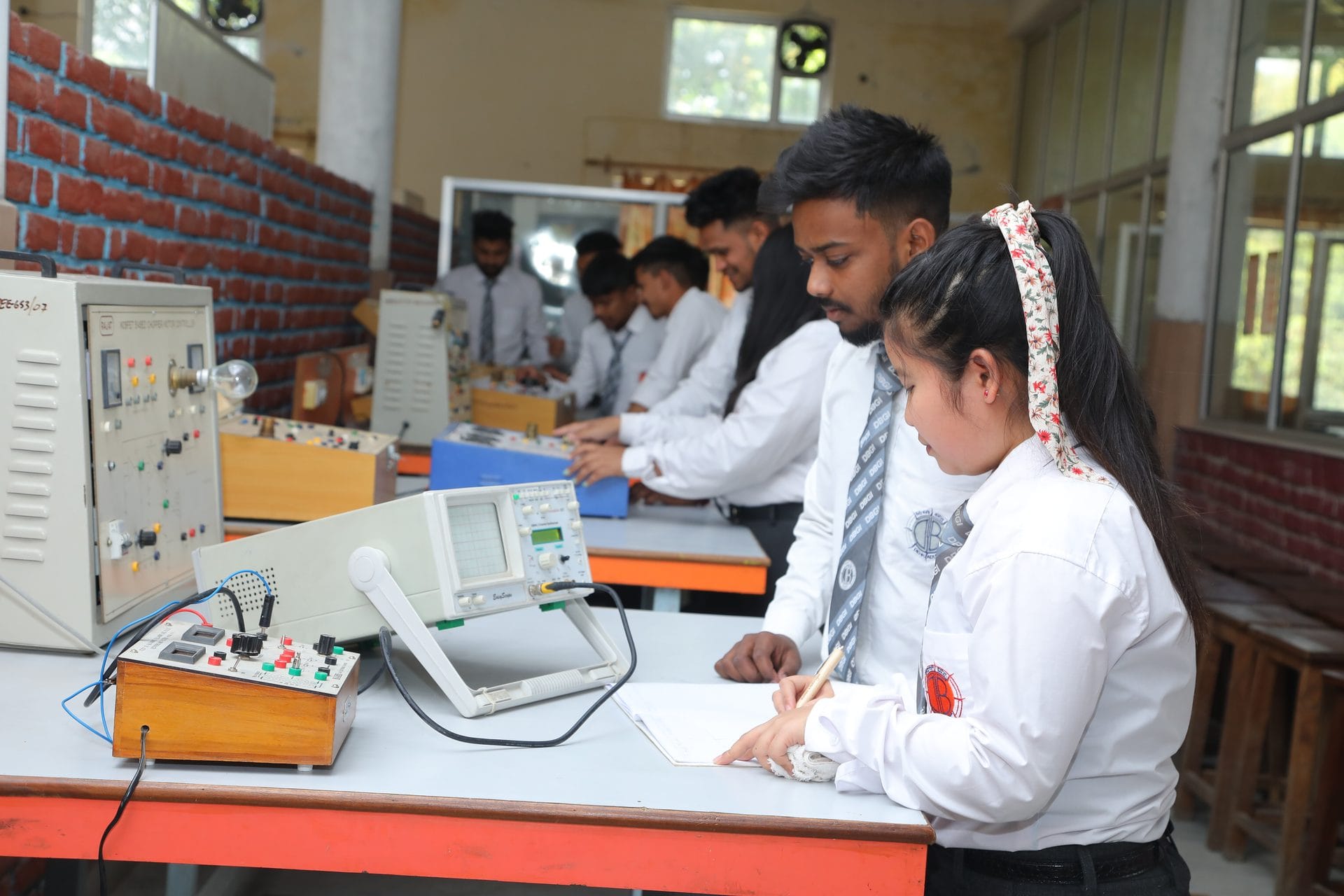
Plastics touch almost everything that gets manufactured, and almost no engineering program teaches them on purpose. This one does: polymer chemistry, mold and tooling design, and the injection, extrusion and blow-molding processes that turn resin pellets into finished parts. The program runs its own pilot processing floor, so students are setting up real machines and pulling real parts off them well before graduation, not just modeling them on a screen.
What you will be able to do
- Select a polymer and processing method against a part's mechanical and cost requirements
- Design injection molds and tooling, including gate, runner and cooling-channel layout
- Set up and troubleshoot injection molding, extrusion and blow-molding equipment
- Diagnose common part defects — warpage, sink, short shots — back to a process or mold cause
- Complete a sponsored capstone project with an industry partner
Courses you will take
A sample of required coursework. Full requirements are in the official catalog.
| Course | Title |
|---|---|
| PLE 210 | Polymer Materials Science |
| PLE 250 | Plastics Processing I: Injection Molding |
| PLE 320 | Mold & Tooling Design |
| PLE 350 | Plastics Processing II: Extrusion & Blow Molding |
| PLE 460 | Industry Capstone |
| General education & support courses | Title |
|---|---|
| CHEM 105 | General Chemistry |
| CHEM 220 | Organic Chemistry |
| ME 210 | Statics & Mechanics of Materials |
| BUS 210 | Business Communication |
Where graduates go
- Process Engineer
- Mold Design Engineer
- Materials Engineer
- Quality Engineer
- Plant Engineer
Median starting salary for recent graduates: $72,800. Reported placement within six months of graduation: 98%.
Take the next step.
Applications for fall are open. No fee, no essay, and a decision in about two weeks.