
Why we ask
A campus of 8,412 students runs on a lot of people who are not on the payroll. In 2025–26, 412 community volunteers gave 9,850 hours: retired engineers mentoring sophomores, neighbors playing a patient with chest pain for a nursing team, and a group of Cedar Bluff grandparents who have not missed a farm day in six years. Volunteering here is organized by the Center for Community Engagement, the same office that places Porter students with local nonprofits through community engagement. Some of the traffic now goes the other way.
You do not need a connection to the university, a degree or any particular skill. Most roles need only a short orientation, and a few need a background check, which the university pays for. If you can give one Saturday morning a year, there is a role for that too.
Roles
| Role | What you do | Commitment | Requirements |
|---|---|---|---|
| Ironclad Mentor | Meet with a first-generation or returning student about careers, jobs and how things work | 2 hrs/month, Sept.–Apr. | Orientation; a work history you’re willing to talk about |
| Standardized patient | Play a scripted patient or family member in nursing and athletic-training scenarios at the simulation hospital | 3–4 hr sessions, about 2/month | Two-hour training; background check. Paid $20/hr, because it is real work. |
| Volunteer patient (vitals practice) | Let first-year students take your blood pressure, badly at first, then well | 90-minute lab sessions | Age 18+; unpaid; cookies |
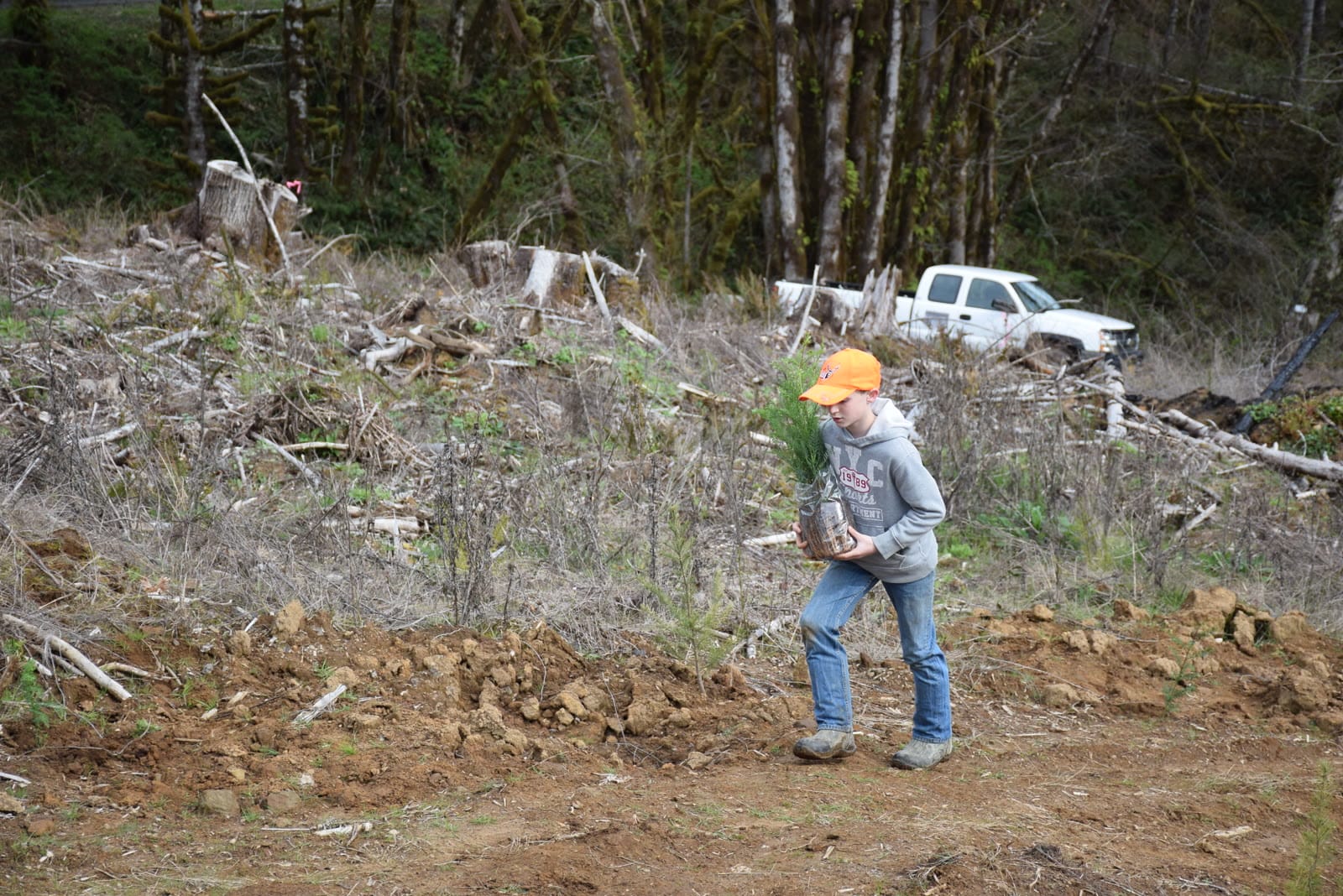
| Farm day crew | Planting, weeding, harvest and putting beds to bed at the University Farm | Sat. 8:30–11:30, May–Oct. | Ages 12+ with an adult; closed-toe shoes |
| Usher | Tickets, seating and the lobby at Heritage Auditorium shows in the arts season | 3 hrs per show; pick your shows | Orientation; you see the show free |
| STEM Saturdays helper | Help small groups build, test and clean up at STEM Saturdays | One Saturday morning a month | Youth-program clearance (allow 3 weeks) |
| Observatory night assistant | Help visitors at the eyepiece on clear Friday nights | 2 Fridays/month, weather permitting | A warm coat; we train you on the scope |
| Global Conversation Partner | Weekly coffee and conversation with an international student | 1 hr/week for a semester | Orientation |
| Open Campus Day crew | Greeting, guiding, parking, pancakes | One 2-hr shift on April 24, 2027 | Sign up by April 2 |
Remaining fall farm days
- Saturday, October 17: garlic planting. About 4,000 cloves go into the ground, and many hands help.
- Saturday, October 24: putting the farm to bed. Pulling stakes, spreading straw and loading the last squash for the campus food pantry.
The farm season resumes in May 2027. Meet at the barn; the Porter Loop farm stop is 200 feet away.
How to start
- Apply with the short volunteer form online or on paper from Founders Union 236. Pick up to three roles.
- Come to an orientation. Sessions are 90 minutes on the first Tuesday of each month at 6 p.m. in Founders Union 236. The next ones are November 3 and December 1.
- Clear what your role needs. Roles with minors or patients need a background check, which the university pays for. Roles with minors also need youth-protection training; see programs with minors.
- Get a volunteer badge at the Porter Card office in Founders Union. Register your plate there for free parking during your shifts.
Volunteers are covered by the university’s liability coverage while doing an approved role. Coverage for your own injuries is limited, so orientation explains what that means before you climb onto anything at the farm. Every April there is a volunteer breakfast, and in our experience the pancakes at Open Campus Day are made by people who attended it.
Fictional information
UW–Porter Falls is a work of parody. The volunteer roles, hours, stipends, farm days and orientation sessions here are invented. No real garlic is waiting to be planted, though garlic is always a good idea.