The work
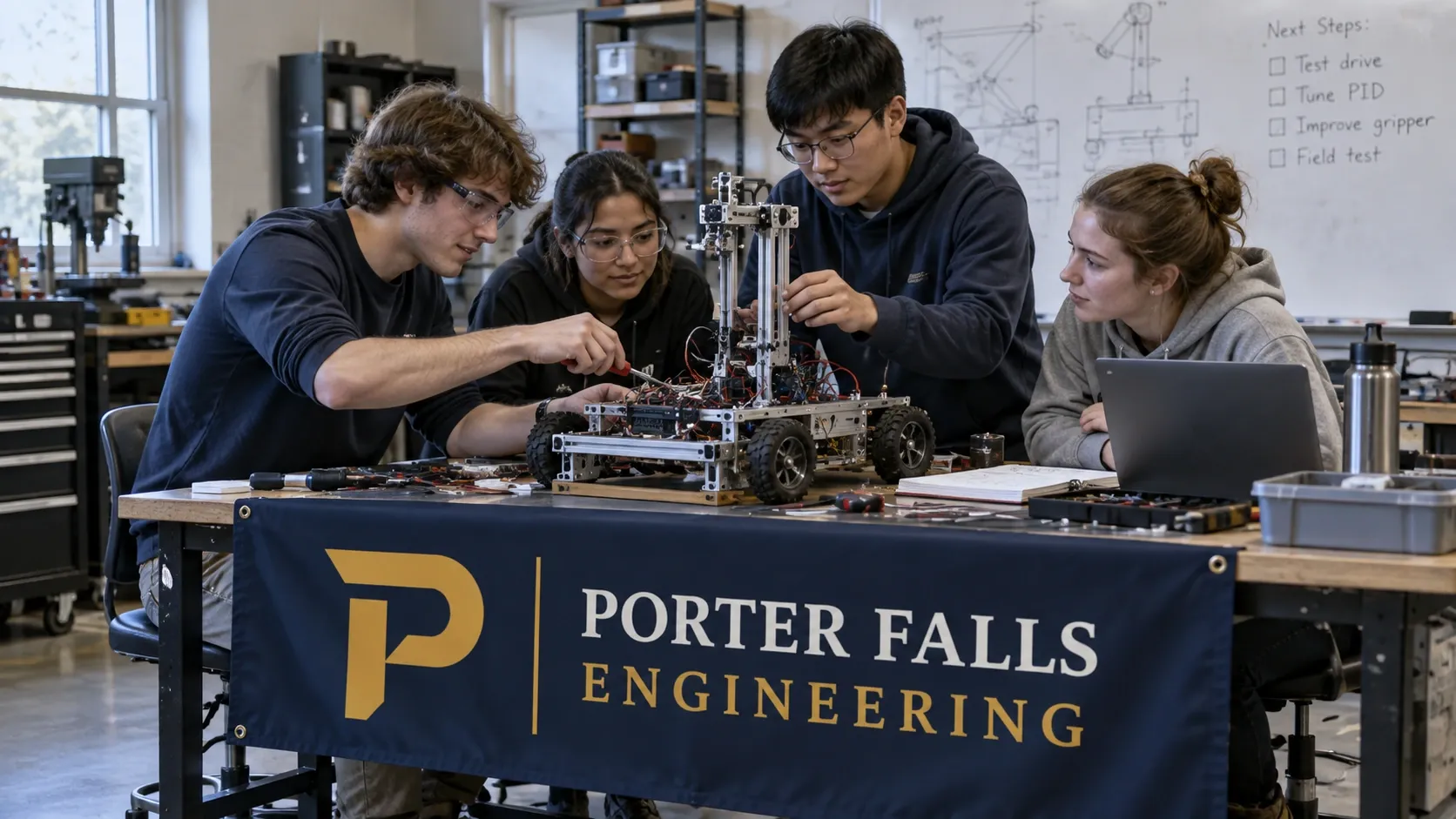
Designing, testing, and making physical products and systems. Common roles graduates move into:
- design engineer
- manufacturing and process engineer
- quality engineer
- test and validation engineer
- project engineer
- controls and automation engineer
- materials and packaging engineer
- field service engineer
- continuous-improvement / lean engineer
Programs that lead here
- Mechanical Engineering — see its careers & outcomes and four-year plan
- Electrical Engineering — see its careers & outcomes and four-year plan
- Industrial & Manufacturing Engineering — see its careers & outcomes and four-year plan
- Plastics Engineering — see its careers & outcomes and four-year plan
- Packaging Technology — see its careers & outcomes and four-year plan
- Engineering Technology — see its careers & outcomes and four-year plan
- Automotive & Diesel Technology — see its careers & outcomes and four-year plan
Minors and concentrations let you angle almost any major toward this field — for example a data, project-management, or sustainability minor. Your adviser can help you combine them.
Where you would work
Typical settings: discrete and process manufacturers, automotive and off-highway suppliers, medical-device and aerospace companies, consumer-products firms, and automation integrators. In every one of these programs a co-op or internship is expected, so students enter the field with real experience and often a standing offer.
Not sure yet?
You do not have to pick now. Start in a broad first year, use major-exploration workshops and advising, and try a class in two or three of these areas. The Career Services team also runs interest assessments that map to programs.
How to get a real look this year
You do not need to wait for an internship to find out whether engineering & manufacturing fits. Take one introductory course in the field even if you are not ready to declare, join the student organization tied to the closest program (most of the programs above have one), and ask your adviser or Career Services to connect you with an alumnus working as a design engineer or manufacturing and process engineer for a 20-minute informational conversation. A single semester of exposure is usually enough to know whether to go deeper or look elsewhere.
Common questions
Do I have to choose one of the programs listed to work in this field? No — the programs above are the most direct routes, but a different major plus the right minor, internship, and portfolio can also get you here. Talk to Career Services about the closest path from where you already are.
What's the difference between these roles day to day? This page groups a field, not one job; design engineer and continuous-improvement / lean engineer can look very different day to day even though both start from similar coursework. Use the program pages' outcomes sections to compare specifics.
Is a graduate degree expected in this field? It varies by role — check the specific program's outcomes page for whether graduates typically continue their education or move straight into practice.
Other career areas
Software & data · Engineering & manufacturing · Building & construction · Health & wellness · Design & media · Business & management · Education & human services · Science & environment · Hospitality & events · Public safety & service
Fictional information
UW–Porter Falls is a work of parody. The offices, steps, dates, and contacts described here are invented; nothing on this page is a real process you can complete.