
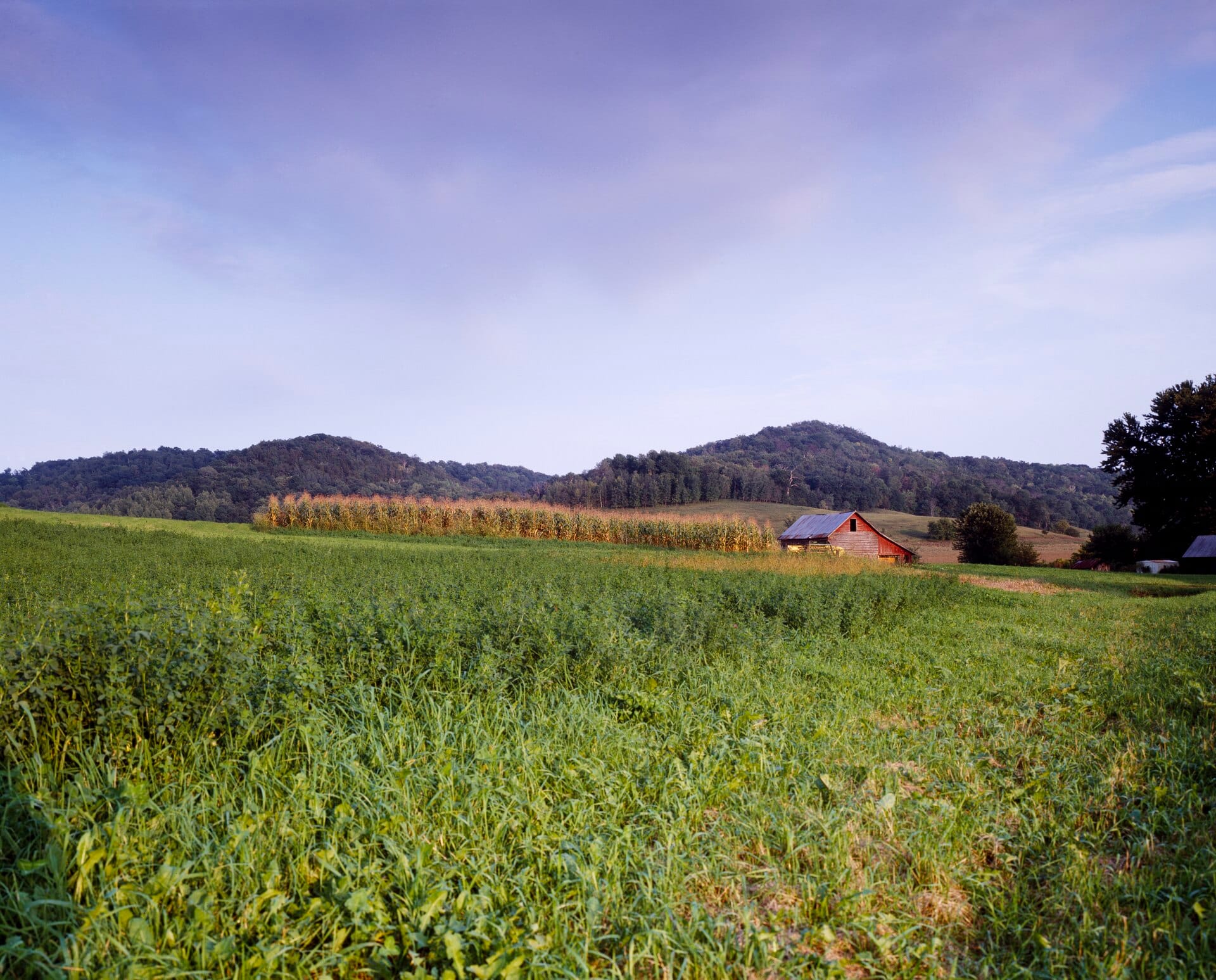
Tuesday in Tamarack
The Tamarack clinic opens at 7:30 a.m. in a one-story brick building that used to be a feed store, 22 miles northeast of Porter Falls on County Road K. By 7:40 on the Tuesday I visited in February, there was a dairy farmer in exam room 2 with a cut across the back of his hand from a frozen gate latch, a toddler with an ear infection in room 3, and a retired schoolteacher in the waiting room who was there, she said, “for my blood pressure and to see who else is here.”
Nurse manager Pa Nhia Lor ’14 handled all three before her first coffee. She has worked at Tamarack since the fall after she graduated. She knows which patients will tell her the truth about their salt intake and which will tell her what they think she wants to hear, “and I write down both and average them.”
“In the city you’re one nurse on a unit of thirty. Out here you’re the nurse. The hospital is forty-eight minutes away in Lake City if the roads are good. You learn to think like the whole hospital for the first hour.”
— Pa Nhia Lor ’14, B.S.N., nurse manager, Tamarack clinic
The numbers
The Porter County Rural Health Network runs four primary-care clinics in the county’s smaller towns, with telehealth links to the hospital in Lake City and a float pool that covers vacations, sick days and the occasional blizzard. As of this winter:
| Clinic | Miles from Porter Falls | Opened | RNs | Porter grads |
|---|---|---|---|---|
| Tamarack | 22 | 1998 | 8 | 6 |
| Little Cedar | 31 | 2004 | 7 | 5 |
| Grange Hollow | 17 | 2009 | 6 | 5 |
| Otter Bend | 27 | 2015 | 5 | 3 |
| Float pool | — | 2012 | 5 | 4 |
| Total | 31 | 23 |
Fifteen years ago the picture looked different. In 2011 the network’s annual RN turnover was 40 percent, and it spent more on short-term agency nurses than on its own staff. Last year turnover was 9 percent, and the network did not book a single agency shift.
How it happened
Nobody planned it as a pipeline, exactly. In 2011, faculty from the Nursing program and the Center for Rural Health & Aging sat down with the network’s clinical director to talk about practicum sites. The network needed help; the program needed placements. They agreed to take four seniors that first year for the community-health rotation in NURS 4200.
Three of the four were hired after graduation. The next year the network asked for six students. The partnership now places 14 seniors a year across the four clinics and the float pool, and the Center runs an annual survey of every rural practicum student. The pattern in fifteen years of results is consistent: students who grew up in a rural county, and who did their practicum in one, are about three times as likely to take a rural job.
“We did not invent anything. We noticed that the best recruiter for a rural clinic is a semester working in a rural clinic, and then we stopped getting in the way of it.”
— Dr. Laura Vance, dean, College of Health Sciences
Money helped too. The Rural Health Scholarship goes to students who commit to a practicum outside the county’s larger towns, and the network adds a $6,000 hiring bonus for graduates who stay two years. Eleven of the 23 Porter nurses in the network grew up in Porter County. Four grew up in the town where their clinic is.
What rural nursing actually is
Brianna Thiel ’21 spent three years at the Little Cedar clinic before moving to the float pool, where she now covers all four sites. Her list of what a rural clinic nurse does in a typical week, offered unprompted:
- Triage on the phone for patients deciding whether a 45-minute drive to the emergency department is worth it.
- Run the telehealth cart for a cardiology consult with a specialist in Lake City.
- Draw blood, start IVs, splint a wrist, and stitch, under standing orders, what can be stitched.
- Do a home visit for a patient who cannot get to the clinic in February.
- Explain a new insulin pen three times, to three generations of the same family.
- Know where the county plow is.
The program has adapted. Since 2019 the simulation hospital in the Health Sciences Center has run a “rural night” scenario in which one nurse handles a cardiac event with a 40-minute ambulance response and a telehealth physician on a laggy video connection. Faculty insist the lag is realistic and not a budget problem.
“The sim was the first time I understood I’d be the one in charge. That’s terrifying at 21. It’s less terrifying the second time, which is the point of doing it in a sim.”
— Brianna Thiel ’21, B.S.N.
The waitlist problem
The success has a ceiling. Porter’s nursing program has had a waitlist for three straight years, and the limiting factor is not classrooms or faculty but clinical placements, which only grow as fast as hospitals and clinics can supervise students. The network can take 14 seniors a year without straining its own staff. It cannot take 30.
The College of Health Sciences is studying whether a second, smaller cohort could be admitted each spring, sized to what clinical partners can actually absorb. Rural sites figure prominently in that math. “Every placement in Otter Bend is a placement we don’t have to find in a hospital that’s already full,” said Vance. More on how placements work is in Clinical placements and the health programs.
Why they stay
Asked why they stay, the Porter nurses in the network gave a consistent set of answers: four-day schedules, a state rural loan-assistance program that has paid off a combined $410,000 of their student debt, and something harder to quantify.
“I saw a patient last week whose daughter I delivered in the back of an ambulance in 2018. The daughter was there too, she’s in second grade, she showed me her loose tooth. Nobody in a city hospital gets that.”
— Grace Engen ’12, B.S.N., Grange Hollow clinic
At 5:15 on the Tuesday in Tamarack, with snow starting, Lor handed off to the evening on-call nurse — Hannah Ostby ’24, two years out of Porter, who did her practicum in that same building. Lor walked her through three patients, the state of the road, and which supply cabinet sticks. Then she drove home to Porter Falls on County Road K, where, she says, she knows every curve, and at least three of the people who live on them.
Fictional information
UW–Porter Falls is a work of parody. The Porter County Rural Health Network, its clinics in Tamarack, Little Cedar, Grange Hollow and Otter Bend, the nurses quoted and every staffing figure are invented; these clinics cannot see patients, and anyone needing care should contact a real provider. Porter Falls Magazine does not exist, no issue is printed or mailed, and every person, quotation, number and anecdote in this story is invented.