
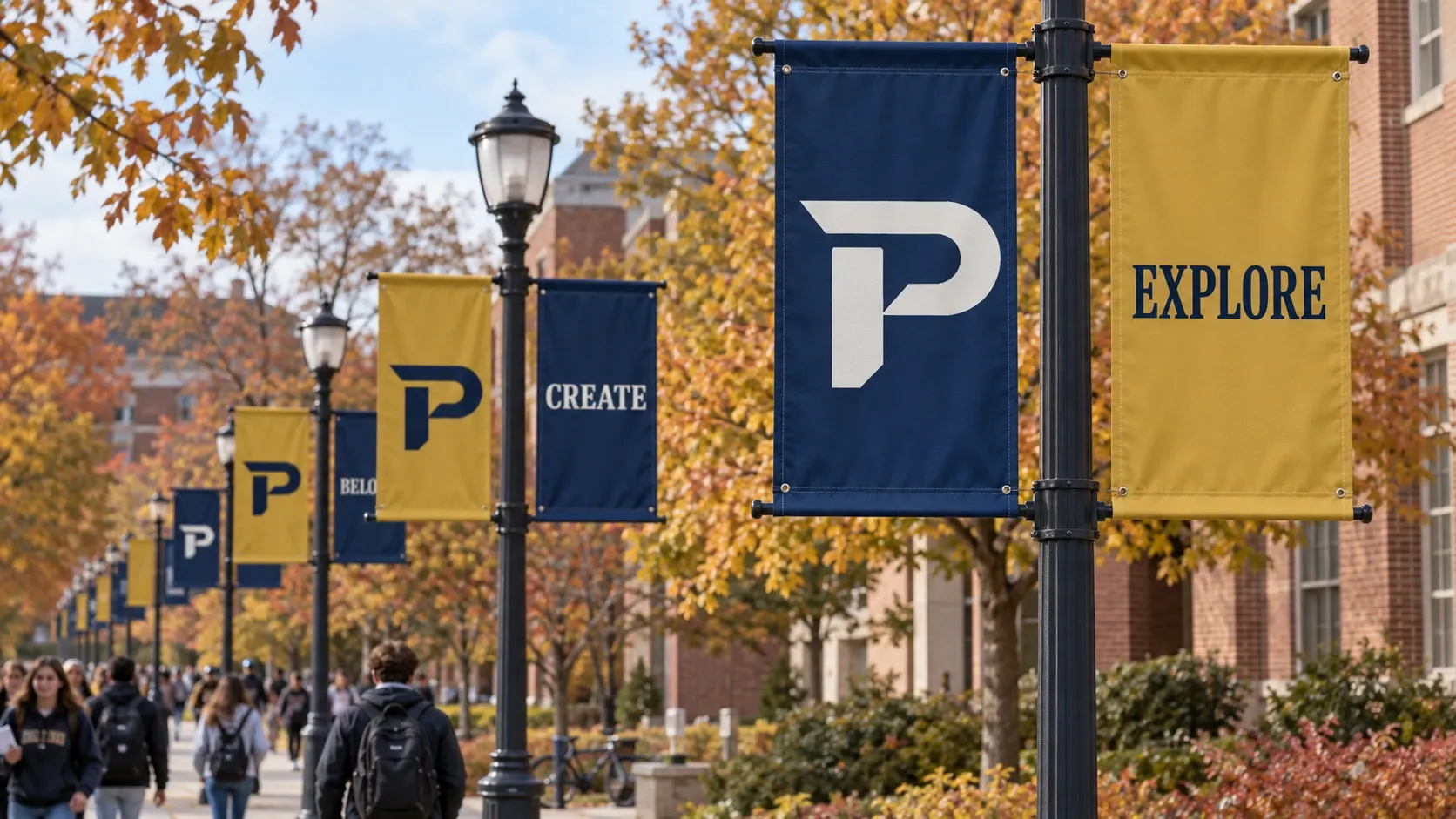
Cover story
Twenty-Three Nurses and a County — Of the 31 registered nurses working in the Porter County Rural Health Network’s four clinics, 23 graduated from Porter. Editor Ingrid Fossum spent a week driving between Tamarack, Little Cedar, Grange Hollow and Otter Bend to find out how a nursing program quietly became a county’s staffing plan — and what happens when a clinic’s only nurse is snowed in.
In this issue
| Page | Story | By |
|---|---|---|
| 4 | From the Chancellor | Dr. Elaine Vandehey |
| 6 | Letters | Readers |
| 9 | Campus Notes | Staff |
| 18 | Twenty-Three Nurses and a County | Ingrid Fossum |
| 28 | The Barn Turns 100 | Marcus Bye |
| 35 | Bringing Back the Millrace | Joel Hagberg |
| 42 | Nine Seconds | Rachel Thorsgaard ’09 |
| 48 | Ironclads | Staff |
| 51 | Class Notes | Edited by Marcus Bye |
| 62 | In Memoriam |
From the Chancellor
An excerpt from Dr. Elaine Vandehey’s letter. The full text is on page 4 of the print edition.
“Every spring someone asks me which part of a Porter education we could streamline if budgets tighten. My answer has not changed since 2019: not the internship, not the co-op, not the clinical. Read this issue’s cover story and you will see why. Most of the twenty-three Porter graduates keeping four rural clinics open in this county did their senior practicum in one of those clinics. Nobody recruited them with a brochure. They were recruited by a Tuesday in Tamarack.
The same is true of the civil engineering students who designed the Millrace fish passage, and of the packaging graduate who spent two years watching EMTs fight a plastic pouch in a freezer. The work was real, so the learning was real. That is the deal Porter has offered since 1893, and I intend to keep offering it.”
— Dr. Elaine Vandehey ’96, Chancellor
Campus Notes
- Testing what replaces foam. The Center for Packaging Innovation began a two-year federal contract to test compostable fiber food containers, with six undergraduate and two graduate research assistants paid from the contract. Story.
- The barn’s birthday. The University Farm will mark the 1926 barn’s centennial at its fall open house on Saturday, September 26, with wagon tours, a cider press and the original builder’s ledger on loan from University Archives. The story.
- Winter Carnival, again cold. The ice-sculpture competition drew 22 teams. An engineering team’s 9-foot replica of the Founders Hall entrance stood for 19 days, a record, mostly because it never got above 14°F. Winter Carnival.
- Trout, year two. Student monitors at Riverwatch Station 7 began logging the second spawning season since the Millrace fish passage opened in October 2024. Bringing Back the Millrace.
- Foundry Friday, now with a waitlist. The Founders Union makerspace added a sign-up sheet for its two newest 3D printers after a semester of students camping out at 1 p.m. Traditions.
Ironclads
- A new conference. Athletics announced in November that Porter will move to a nearer conference beginning in 2027–28. Six of the nine other members are within a three-hour drive. Story.
- Volleyball’s best year in a while. The Ironclads finished 22–9 and reached the conference semifinal at Ironclad Fieldhouse before falling in four sets.
- Two to nationals. Wrestling sent two qualifiers to the national championships, the first time since 2017 the program has sent more than one.
- Running, on the record. Athletics director Chuck Running has asked alumni who still own Millwrights-era jerseys to lend them for a fall display in the Fieldhouse concourse. Contact the athletics office.
Class Notes and In Memoriam
Notes from this issue have rolled into the current Class Notes page, which is updated each fall and spring. The deadline for the fall issue was June 15; the next deadline is January 15, 2027 for the spring issue. Letters responding to anything in this issue are still welcome at magazine@uwporterfalls.edu.
Fictional information
UW–Porter Falls is a work of parody. This issue of Porter Falls Magazine, its stories, its chancellor’s letter and its athletics notes are invented; nothing was printed or mailed, and the clinics, barn and trout described are fictional.