
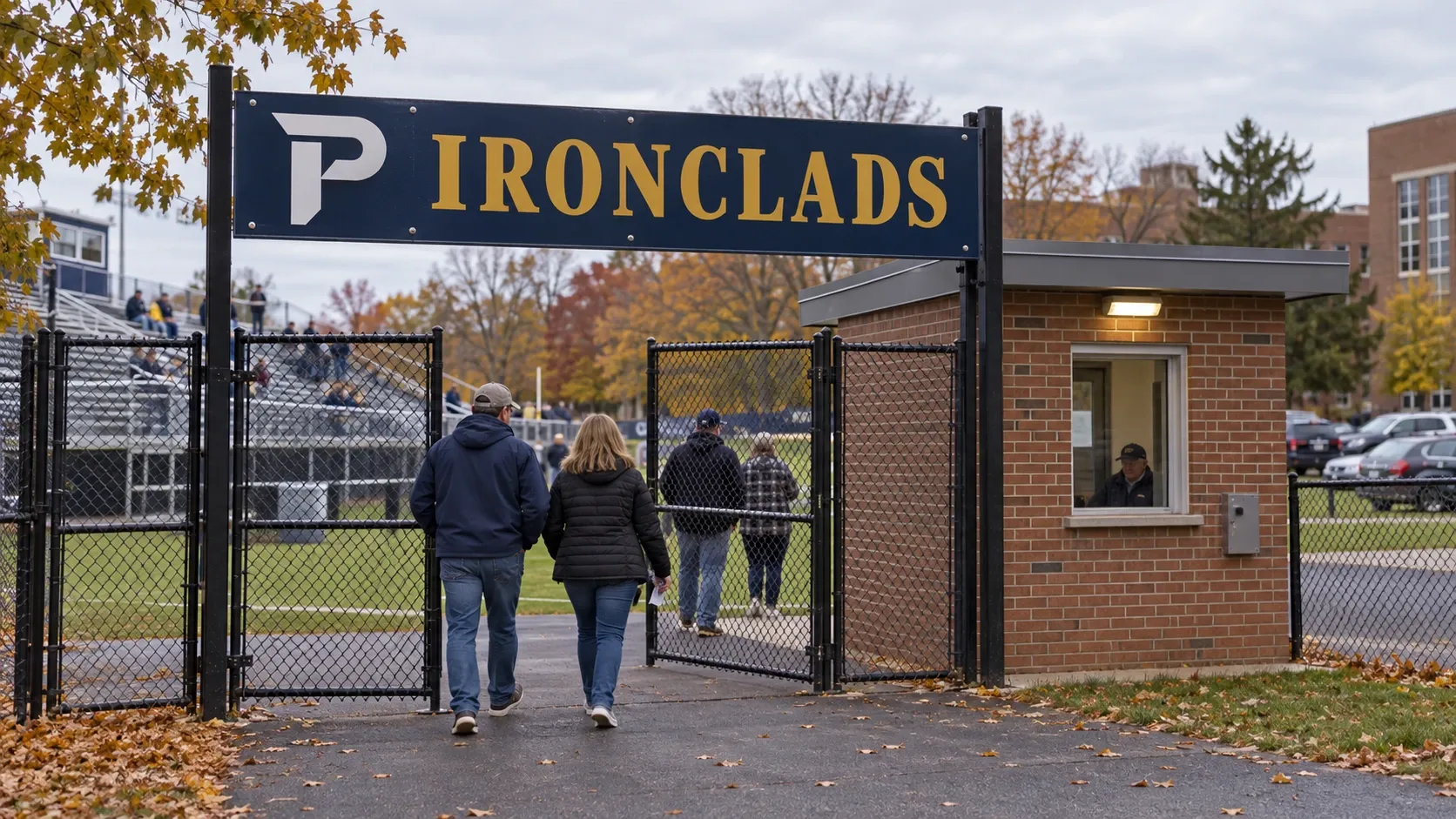
The program
Ironclad baseball competes in NCAA Division III as a member of the Wesconsin Collegiate Athletic Conference. The season runs from late February to May, with a fall-ball segment in September and October. There are no athletic scholarships; every roster member is admitted and receives financial aid exactly as any other student, and eligibility rules are written around finishing the degree on time.
The program began as a club team and became a varsity sport in 1975 under Hal Dunmore, who coached it for 23 seasons and won 400 games, most of them, by his own account, on "a mowed outfield and a lot of stubbornness." Baseball is the twelfth of the university's varsity sports to get its own page, which the coaching staff has been pointing out since roughly 2019.
Last season
The 2026 team went 22–17 overall and 12–8 in conference play, finished third in the regular-season standings and reached the WCAC tournament semifinal before losing 6–4 to Tamarack State. Highlights:
- A 1–0, eleven-inning win over Chippewa Valley State in April, decided on a two-out double into the right-field corner.
- A junior right-hander (now a senior) went 7–2 with a 2.61 ERA and 71 strikeouts in 79 innings.
- The starting shortstop, then a sophomore, hit .371, the best average in the program since 2011.
- Ten games in eight days on the spring-break trip south, finishing 6–4 before the first home game was even possible.
Coaching
Head coach Nate Wollenberg is in his third season. He caught for the Ironclads from 2009 to 2012, spent eight years as an assistant at another Division III program in the Upper Midwest, and succeeded Rick Tauscher, who led the program from 1999 to 2024. Pitching coach Lou Brecht works part time; athletic trainer Jordan Pelky covers baseball along with soccer and track. Every player is assigned an academic advisor in athletics who coordinates with their major department. Contact details for the full staff are in the athletics staff directory.
Home venue and how to attend
Home games are at Dunmore Field, on the riverside fields off North Campus next to the softball team's Red Cedar Diamond. The field was dedicated in 1999, the year after Dunmore's final season. It is natural grass, 330 feet down the lines and 385 to center, with 600 bleacher seats and a press box built in 2012 by construction-management students as a capstone project. The right-field fence runs along the Riverfront Trail, so a good share of every crowd is walkers who stopped for an inning.
| Item | Details |
|---|---|
| Game times | Weekend doubleheaders at 1:00 p.m.; weekday games at 3:00 p.m. (no lights) |
| Students | Free with a Porter Card |
| Public | $5 adults; youth, seniors and anyone carrying a glove free |
| Parking | Free gravel lot shared with Red Cedar Diamond |
| Accessible seating | Paved platform behind home plate, step-free from the lot |
Early-season home games are often moved or flipped to road dates when the field is still under snow; check the athletics site the morning of. General ticketing policy is on the tickets page. This fall's one outside scrimmage, against Chippewa Valley State, is Sunday, October 11 at 1:00 p.m., and the intrasquad Navy–Gold Series closes fall ball October 22–24. Both are free.
Roster snapshot
The 2026–27 roster carries 34 players: nine seniors, eight juniors, nine sophomores and eight first-years. Construction management, manufacturing engineering and business administration are the most common majors, with a growing group in sport management. Team GPA last spring was 3.21. Twenty-six players are from Wesconsin, most of them within two hours of campus. Rosters, schedules and results are posted on the athletics site and updated after each game; prospects can read about recruiting visits and prospect camps.
Division III, and why it shows here
Practice and travel are scheduled around required labs, studios and clinical rotations, not the other way around. Weekday home games start at 3:00 p.m. specifically so that players with a 1:00 p.m. lab can finish it, and the spring trip runs during spring break so that no class is missed for it. The move to the Great Lakes Intercollegiate Conference in 2027–28 roughly halves the average bus ride, which matters more in baseball than in most sports because conference series are played as weekend doubleheaders. The program's graduation and academic-progress rates are published alongside its win–loss record, and the academic support staff hold a study table on every road trip longer than three hours.
Fictional information
UW–Porter Falls is a work of parody. The baseball program, Dunmore Field, its coaches, players, records and fall-ball dates are invented; nothing here describes a real team or a game you can attend.