
Carbon neutrality roadmap
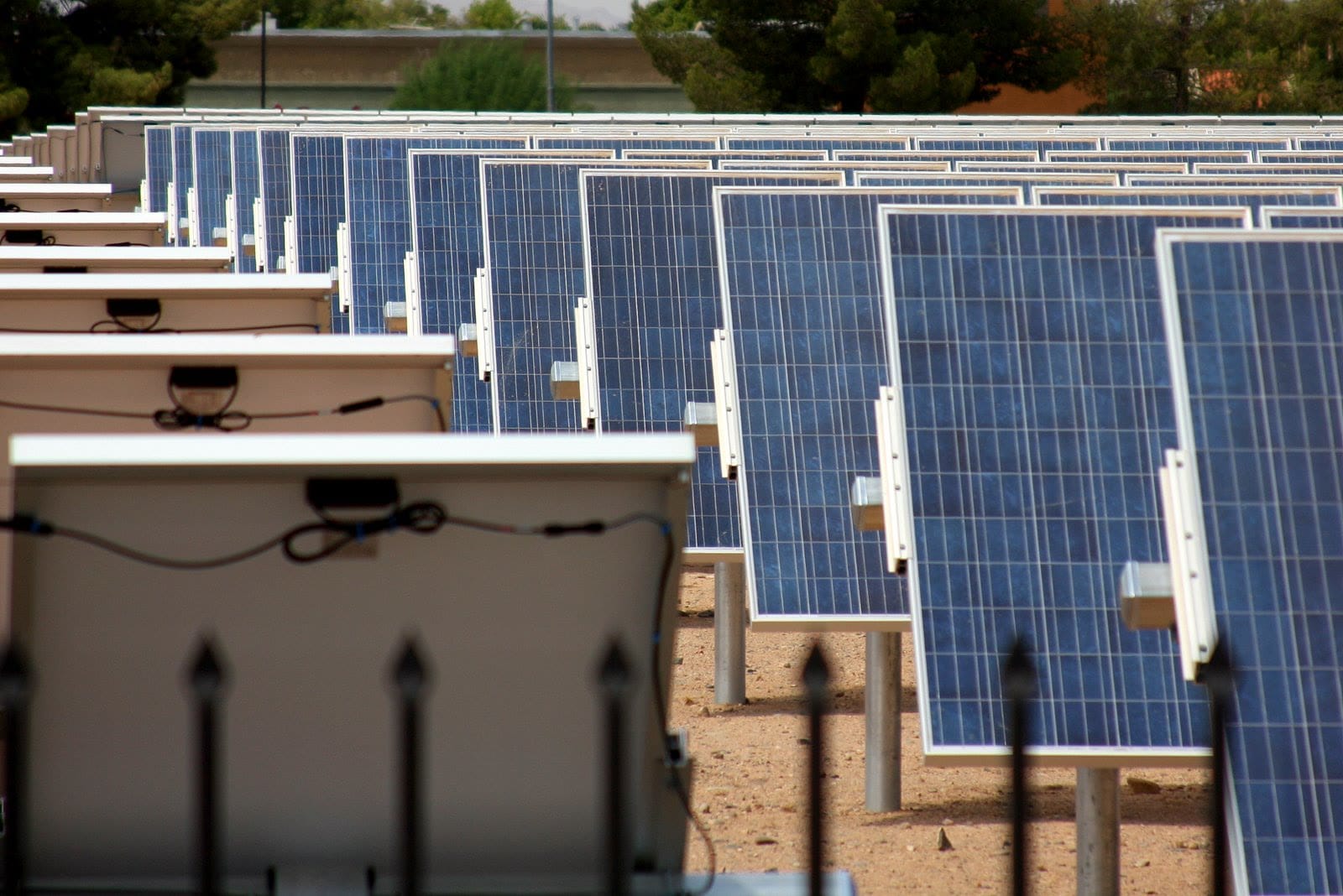
The 2035 Carbon Neutrality Plan (adopted 2021, updated annually) targets net-zero Scope 1 & 2 emissions by 2035 and Scope 3 (commuting, procurement, travel) by 2040. Progress to date (2025): 38% reduction from 2010 baseline. Key levers: Solar — 2.4 MW across 12 rooftops and the Riverfront Array (former brownfield, 600 kW, powers the Rec Center and Forge Makerspace); Geothermal — the new Health Sciences Building and Nursing simulation wing run on a 120-well closed-loop field; Fleet — 60% of Facilities vehicles are electric (goal 100% by 2028); Commuting — the Porter Loop shuttle is 100% electric (4 buses, 12-min headways), and the Bike-to-Campus program (free tune-ups, secure indoor parking, e-bike library) has shifted 12% of student trips from car to bike since 2020.
The campus farm and dining
Founders Farm (3 acres, north edge of campus, managed by the Agriculture & Food Systems program) produces ~18,000 lbs/year of vegetables, herbs, and fruit for Dining Services and the Porter Cares food pantry. Student labor: 15 paid positions (work-study eligible) + 20 volunteer slots per semester. Closed-loop: pre-consumer food waste from the dining hall (400 lbs/week) goes to the farm’s aerobic digester; compost returns to the fields. Dining commitments: 35% local/regional sourcing (Wesconsin, Minnesota, Iowa, Michigan), 100% cage-free eggs, Marine Stewardship Council certified seafood, and Meatless Monday (expanded to Meatless Monday/Thursday in 2024). The Reusable Container Program (green clamshells, carabiner clip, $5 deposit) eliminated 120,000 disposable containers in its first year.
Green building and operations
All new construction and major renovations target LEED Gold minimum (current campus average: LEED Silver). Standout buildings: Health Sciences Building (LEED Platinum, geothermal, mass timber structure, rainwater harvesting for toilets); Forge Innovation Hub (LEED Gold, 40% recycled steel, photovoltaic glass atrium); Riverfront Residence Hall (LEED Gold, passive-house envelope, 60% lower heating load). Operations: green cleaning products campus-wide, integrated pest management (no neonicotinoids), native landscaping (80% of planted areas), and a Salt Smart winter program (brine pre-treatment, calibrated spreaders, 40% less road salt reaching the river). The Forge Makerspace runs a Filament Recycling program (failed prints → re-extruded PLA, 65% recovery rate).
Student-led projects
The Sustainability Innovation Fund ($50K/year, student-fee funded, administered by Student Government + Sustainability Office) awards grants ($500–$5,000) for pilot projects. Recent winners: Smart Showerheads (residence halls, real-time feedback, 18% water reduction); Library Light Sensors (daylight harvesting, 22% lighting load drop); Move-Out Diversion (end-of-year donation/swap, 12 tons diverted from landfill in 2025). The Student Venture Incubator runs a Climate Track (two ventures/cohort) with mentorship from the Forge Prototyping Lab and DNR Porter District. The Sustainability Certificate (12 credits, open to all majors) caps with a Community Resilience Practicum placing students in city, county, or nonprofit climate-adaptation projects.
River stewardship
The Porter River and Millrace are the campus’s defining ecological feature — and its responsibility. The Environmental Science program runs the Riverwatch monitoring network (12 stations, continuous temp/DO/conductivity, student-maintained). Data feeds the city’s Stormwater Master Plan and the DNR’s TMDL (Total Maximum Daily Load) for phosphorus. Restoration projects: 2023–2025, students planted 3,200 native shrubs/trees along 1.5 miles of riparian corridor (funded by Sustainability Leaders Scholarship capstone grants). The Millrace Fish Passage (completed 2024, designed by Civil Engineering capstone team) reopened 8 miles of upstream habitat for brook trout — the first spawning run in 60 years was documented in October 2024.
Community partnerships
The Porter Falls Climate Resilience Coalition (city, county, university, Porter Valley Bank, Porter County Public Schools, DNR Porter District) meets quarterly to align: floodplain mapping, heat-island mitigation (tree canopy goal: 40% by 2030), and the Community Solar Garden (2 MW, subscribed by 300+ low-income households, university anchors 40%). The Saturday Farmers Market is a formal partner: the Sustainability Office funds the Market Bucks program (SNAP match, $10/week), the Gleaning Program (unsold produce → Porter Cares pantry, 2,800 lbs/2025), and the Zero-Waste Market pilot (vendor composting, reusable cup deposit). Students engage through the Community Service office, the Sustainability Certificate practicum, and the Fostering Success summer crew.
Fictional information
UW–Porter Falls is a work of parody. The programs, statistics, buildings, and initiatives described here are invented for this fictional university and town. No real sustainability programs or outcomes are depicted.